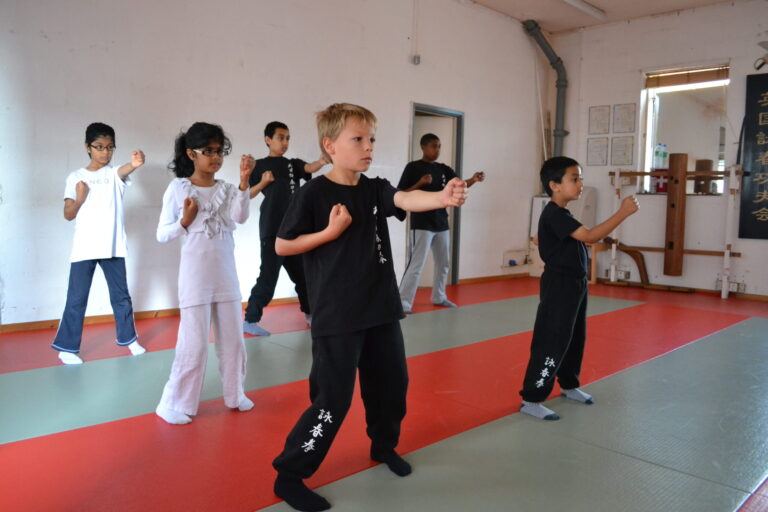






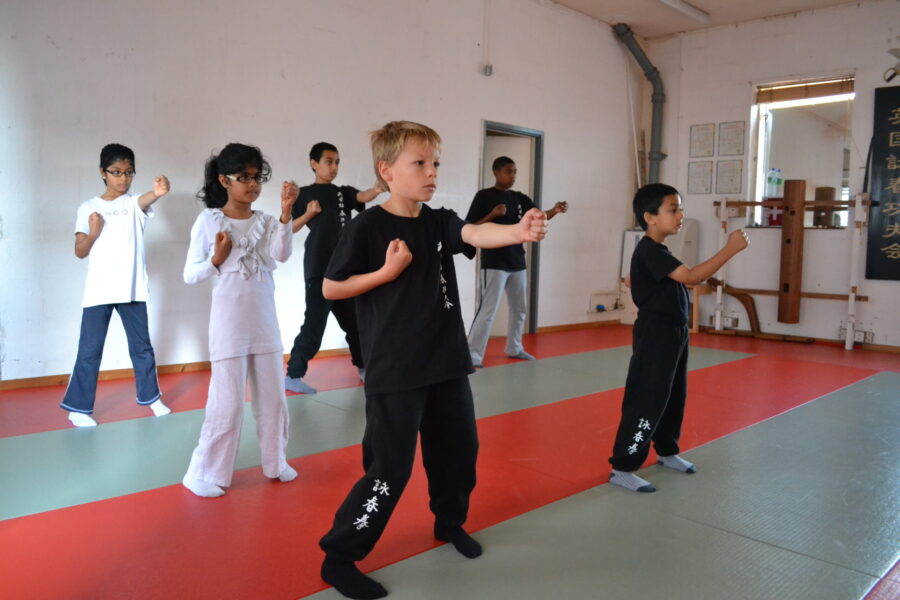
In a time characterised by digital screens, sedentary lifestyles, and rising academic demands, parents throughout the United Kingdom are persistently seeking out positive activities that promote both physical health and mental strength in their children. Traditional sports like football, gymnastics, and swimming are still widely favoured, but martial arts distinctly emerge as a uniquely holistic discipline. Among the extensive variety of combat arts available today, Wing Chun occupies a notably esteemed position. Originating in southern China, this specialised form of kung fu provides young practitioners with a remarkably balanced framework for personal growth. By integrating practical self-defence techniques with a strong focus on mindfulness, posture, and emotional regulation, Wing Chun offers young people a well-defined route to becoming confident, capable, and respectful individuals.
Grasping the fundamental philosophy of Wing Chun clarifies its remarkable suitability for younger practitioners. Legend has it that Wing Chun was developed by a Buddhist nun named Ng Mui, who aimed to create a combat system that did not depend on sheer physical strength, significant muscle mass, or greater height. Instead, Wing Chun emphasises leverage, biomechanical efficiency, body structure, and the economy of movement. For a developing child who might be smaller or less physically strong than their peers, practicing Wing Chun illustrates that skilful technique and strategic positioning can reliably surpass sheer strength. This fundamental principle fosters an early understanding of strategy over aggression, teaching young learners that patience and precision hold greater value than mere physical dominance.
When children first enter a Wing Chun training hall, the focus is immediately on building a strong foundation through proper posture and balance. The primary stance in Wing Chun, referred to as the character two adduction stance, compels young students to align their spine, lower their centre of gravity, and activate their core muscles. In contemporary society, where children often spend extensive periods bent over desks or slouched while using electronic tablets, the biomechanical principles found in Wing Chun serve as a crucial physical remedy. Addressing postural imbalances at an early stage not only improves a child’s coordination and agility but also supports their overall musculoskeletal health as they develop. By consistently practicing foundational Wing Chun forms, like the initial Siu Nim Tau form, young students are able to isolate specific muscle groups, enhance their balance, and cultivate a keen awareness of their own body mechanics.
In addition to the clear physical conditioning, the psychological advantages linked to Wing Chun training are significant. Contemporary educational settings demand significant concentration, but numerous young individuals find it challenging to stay focused due to an unending flow of digital distractions. Wing Chun serves as a meditative remedy to this contemporary challenge. In a typical Wing Chun session, students are required to concentrate fully on exact movements, nuanced shifts in weight, and sensitive tactile feedback. This necessity for sustained attention cultivates the young mind’s ability to filter out peripheral distractions and stay engaged in the present moment. Parents often observe that the increased concentration developed through Wing Chun practice translates directly into the classroom, resulting in improved study habits, enhanced academic performance, and greater emotional stability.
Self-defence is a fundamental concern for numerous parents who are enrolling their children in martial arts, and Wing Chun offers a highly effective, practical skill set while avoiding the promotion of unnecessary violence. Wing Chun emphasises close-range defence, central line control, and the ability to deflect and attack simultaneously, equipping children with effective self-protection skills in situations where they may feel cornered or threatened. Importantly, Wing Chun instruction emphasises the importance of de-escalation, situational awareness, and boundary setting. Young individuals acquire the skills to identify potential threats, keep a safe distance, and employ assertive verbal communication to de-escalate conflicts prior to any physical engagement. By recognising that physical techniques are solely a last resort, children trained in Wing Chun cultivate a mature perspective on personal safety and conflict resolution.
The organised setting of a Wing Chun hall significantly contributes to personal growth and ethical education. Respect for instructors, senior training partners, and fellow students is ingrained in every facet of Wing Chun etiquette. Children are taught to bow when entering the training space, to listen attentively without interruption, and to support their peers through cooperative drilling. This environment of shared respect contributes to minimising disruptive behaviour and promotes a positive sense of humility. As young practitioners advance through the different levels of Wing Chun, gaining acknowledgement for their commitment, they witness the clear connection between their hard work and the rewards they attain. This internal motivation emphasises that achieving mastery demands consistent effort, encouraging young individuals to welcome challenges instead of fearing failure.
Social interaction is an area where Wing Chun offers significant benefits for young participants. In contrast to team sports, where being benched or facing competitive pressure may lead to feelings of exclusion for less naturally gifted children, Wing Chun provides an environment where each child can advance at their own pace while still being part of a nurturing community. In a typical Wing Chun session, children frequently partner up to practise sensitivity drills like Chi Sao, or sticking hands. These partner exercises necessitate students to attune to one another’s movements, synchronise their actions, and cultivate mutual trust. Through this collaborative method, Wing Chun aids children in cultivating empathy, patience, and effective communication skills, rendering it an excellent choice for shy or anxious youth who may find traditional group sports challenging.
Physical fitness in Wing Chun is attained through dynamic, functional movements instead of repetitive cardio routines or heavy weightlifting. Training sessions typically feature a dynamic blend of mobility exercises, strike combinations, light footwork drills, and core conditioning designed specifically for developing bodies. Practicing Wing Chun enhances cardiovascular health, improves joint flexibility, and develops functional strength throughout the entire body. Furthermore, since Wing Chun techniques depend significantly on relaxed energy instead of tense muscular exertion, children acquire the ability to generate power through efficient mechanics. This capacity to maintain physical relaxation in high-pressure situations is a fundamental principle of Wing Chun that benefits young individuals both within the training studio and beyond.
The advantages of Wing Chun are significantly beneficial for children as they navigate the social intricacies of school life, especially in relation to bullying. Individuals who experience bullying frequently exhibit signs of physical insecurity, such as slouched posture, uncertain speech, and a nervous demeanour. Training in Wing Chun systematically alters a child’s external presence. As young individuals develop their skills in Wing Chun techniques, their physical stance becomes inherently upright, their gaze remains steady, and their overall demeanour exudes a sense of calm confidence. Bullying behaviour flourishes in the presence of perceived weakness; thus, the quiet confidence cultivated through Wing Chun frequently serves as an unseen barrier, discouraging potential bullies without the need for any physical confrontation. In the event of an unavoidable situation, a child trained in Wing Chun has the practical skills required to defend themselves with calmness and decisiveness.
For parents looking for an activity that fosters long-term personal growth, Wing Chun provides a comprehensive journey instead of a fleeting solution. The art is profound and intricate, guaranteeing that young practitioners always have fresh concepts to investigate or techniques to hone. As children move into adolescence, the advanced principles of Wing Chun—like adaptability, efficiency, and maintaining composure under pressure—offer a significant psychological foundation during the challenging teenage years. The mental resilience developed on the Wing Chun training mat provides young adults with the coping mechanisms necessary to navigate exam stress, peer pressure, and life transitions with poise and determination.
In summary, enrolling a child in Wing Chun martial arts classes is a comprehensive investment in their physical, emotional, and social well-being. By merging practical self-defence techniques with strong mental discipline, Wing Chun provides young individuals with the vital skills needed to thrive in today’s world. Through the consistent practice of Wing Chun, children enhance their physical coordination, strengthen their focus, foster self-respect, and grasp the true essence of perseverance. Wing Chun is much more than just a collection of punches and kicks; it offers a transformative framework that aids children in developing into confident, healthy, and compassionate individuals.