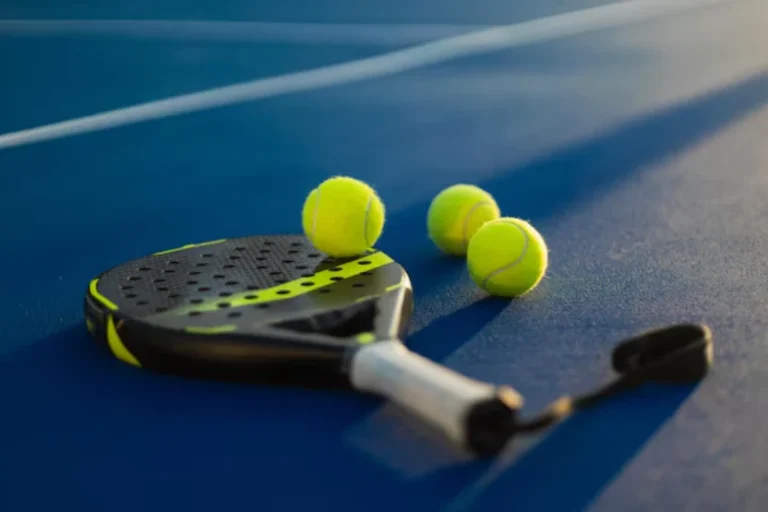




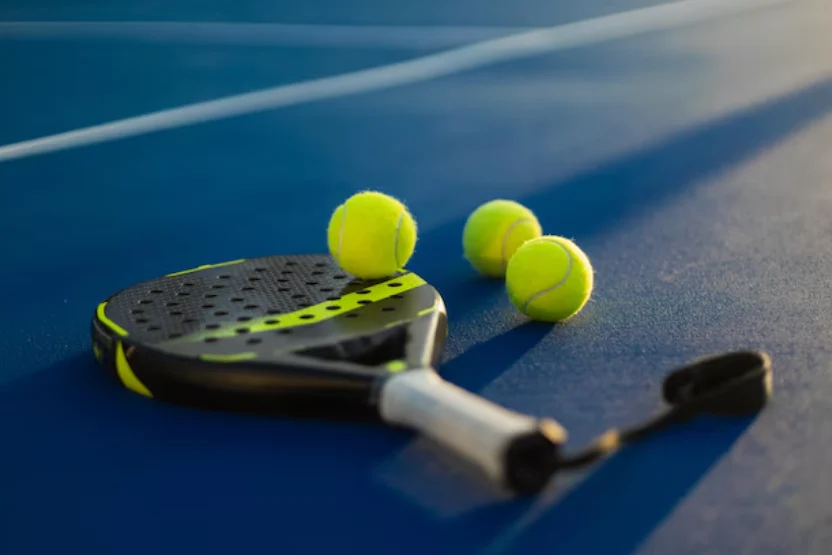
Padel players often focus on selecting the right racket, but the ball itself plays an equally important role in how your game develops and how enjoyable your time on court becomes. The construction of a padel ball—its core, felt covering, pressure and overall durability—directly influences consistency, playability and how well you can practise specific techniques. Whether you’re training regularly or preparing for competitive matches, understanding what goes into a quality padel ball helps you make informed choices about which products deserve your investment.
The fundamental structure of a padel ball begins with its rubber core. This core is what gives the ball its bounce characteristics and responsiveness when it hits the court or your racket strings. Different manufacturers use varying densities and rubber compounds in their cores, which means some balls feel softer and more controllable, whilst others provide a livelier bounce suited to faster play. The thickness and consistency of the core also affect how the ball performs across different court surfaces and temperature conditions. A well-constructed core maintains its properties throughout the ball’s lifespan, resisting the gradual degradation that can make older balls feel unpredictable or dead.
Surrounding the core is the felt covering, typically made from synthetic fibres that provide grip and affect how the ball interacts with racket strings and court surfaces. The quality and weave of this felt influences how much spin you can generate, how predictably the ball travels, and how quickly the covering wears. Thicker, denser felt generally lasts longer and maintains its playing characteristics over more hits, whilst thinner coverings may wear faster but sometimes offer slightly different feel or spin potential. The colour of the felt also matters—yellow felt is standard in padel, and consistent colour indicates uniform felt quality throughout the ball’s manufacturing process.
Pressure is another crucial construction element that shapes how a ball performs throughout its life. Padel balls are pressurised to specific standards that affect their bounce height and court behaviour. A padelball manufactured with consistent internal pressure will feel the same across multiple hits, supporting your ability to develop reliable technique. Pressure loss over time is natural, but quality construction slows this process. Some players prefer to use newer, higher-pressure balls for competitive play where consistency is critical, whilst others find slightly depressurised balls useful during training sessions when control and feel take priority over speed.
Different playing environments require different ball characteristics, and understanding these needs helps you get better value from your equipment. Hard court surfaces, which are common across Europe, tend to wear padel balls faster because the friction between ball and court is greater than on synthetic or clay surfaces. If you play regularly on hard courts, investing in balls constructed with more durable felt and robust cores makes practical sense. Conversely, if your court is made from synthetic turf or clay, you might find that balls with softer construction perform well without wearing excessively.
Temperature changes throughout the year also affect how padel balls should be selected and stored. Cold weather causes the air inside a pressurised ball to contract slightly, reducing bounce, whilst warm conditions do the opposite. Quality manufacturing ensures that this natural variation stays within acceptable ranges for recreational play. Some players purchase balls during warmer months when pressure levels remain stable, whilst others simply accept that their balls will play slightly differently in winter. Understanding this relationship between construction standards and seasonal variation helps you prepare appropriately rather than assuming your equipment has degraded.
Matching Ball Construction to Your Playing Level
Beginners and recreational players benefit from padel balls constructed with slightly softer cores and adequate felt durability. When you’re learning fundamental techniques, a ball that feels responsive and doesn’t punish off-centre hits makes practice more enjoyable and helps build confidence. You don’t necessarily need premium competition-grade balls at this stage—mid-range products constructed by established manufacturers offer good balance between cost and playability. As you progress and your racket control improves, you’ll naturally notice differences in ball quality and may find that slightly firmer, more consistent balls support faster, more precise play.
Intermediate and competitive players typically prefer balls manufactured to tighter specifications, where core density, pressure and felt quality are carefully controlled. These balls maintain their characteristics through longer play sessions and survive competitive conditions with less dramatic performance changes. Tournament-level padel balls are constructed to withstand the demands of competitive play—faster racket speeds, more aggressive court interactions and higher pressure play—without losing their consistency. Purchasing balls in multipacks when they’re on offer allows regular players to maintain a stock of consistent, fresh equipment without the cost burden of buying singles.
Your skill level also influences how much you’ll notice variations between different ball brands and constructions. Advanced players often detect subtle differences in bounce, spin response and overall feel that recreational players might not perceive. If you’re playing casually once or twice weekly, investing in premium match-specification balls may not provide noticeable benefit. Conversely, if you’re training four or more times weekly and competing regularly, choosing balls constructed to consistent, high standards supports your ability to develop reliable technique and maintain your competitive edge.
Storage and Maintenance Extend Ball Life
Even well-constructed padel balls require basic care to maintain their performance characteristics. Storing balls in cool, dry conditions slows pressure loss and protects the felt from unnecessary wear and damage. Exposure to direct sunlight causes the felt to fade and can affect the rubber core over time. If you store your balls in a padel bag or racket bag, ensure that compartment isn’t left in a hot car or direct sunlight for extended periods. Many players keep unused balls in a pressurised ball container specifically designed to maintain consistent internal pressure—a practical investment for those who purchase balls regularly.
Rotation is another simple practice that extends padel ball life. If you play with three or four balls simultaneously, rotating them between matches ensures no single ball faces constant impact. This distributes wear more evenly and helps all balls maintain playability for longer. When a ball starts feeling noticeably softer or less responsive than the others in your rotation, it’s usually time to retire it from regular play—using it for casual practice or training drills where consistency matters less. Some players set a specific retirement point, such as after twenty hours of play or when visible felt wear appears, which helps maintain consistent equipment quality.
Choosing Padel Balls for Different Court Conditions
The surface your local court is constructed from influences which ball construction offers the best balance of performance and durability. Hard court surfaces cause rapid felt wear because of the friction involved in every bounce. If this is your primary playing environment, prioritise balls constructed with thick, tightly woven felt and robust cores. Synthetic turf courts tend to be gentler on balls, so standard construction works well. Some synthetic surfaces have specific ball recommendations from court manufacturers—checking whether your facility has guidance on preferred ball types can help you make practical decisions.
Weather conditions throughout the year also create practical reasons to consider ball construction. Wet conditions require padel balls with protective felt that resists water absorption and maintains playability. Some players store separate sets of balls for winter play versus warmer months, using construction differences to adapt to seasonal demands. Whilst this requires more initial investment, having equipment optimised for your playing conditions means better performance and fewer surprises when temperature or humidity changes between seasons.
Understanding padel ball construction helps you make purchasing decisions that align with your circumstances rather than simply buying whatever is available or cheapest. Whether you’re building your first padel kit, restocking regularly as a committed recreational player, or training seriously for competition, selecting balls constructed appropriately for your courts, climate and playing frequency is a practical investment in consistent, enjoyable play. Quality construction translates directly to more reliable performance, better value over time, and better support for developing your technique and enjoying the game.