




In the busy and competitive world of beauty and personal care, the product that a customer finally gets is the result of a long, complicated, and often hidden process. The glitzy branding and fancy packaging of a skincare product may catch your eye, but the real quality, safety, and effectiveness of the product comes from how it was made. This procedure is not just a matter of blending substances; it is a careful combination of science, art, and precise engineering that turns an idea into a real cosmetic product. It’s important for any brand, whether it’s a new startup or an established business, to recognise how important skilled manufacturing is. It is the key to making sure that every product not only does what it says it will do, but also meets the highest safety and compliance standards.
Phase 1: Research, development, and making the plan
Before a skincare product is made, it goes through a very important stage of research, development, and formulation. This is where the product’s name comes from. The process usually begins with a clear idea and a precise brief that lists the target demographic, the active substances that are wanted, the texture and smell, and the exact goals that the product is supposed to achieve. Then, a team of specialist formulators from a professional manufacturer takes this brief and begins the creative and scientific task of making it into a formula that is stable, effective, and safe.
Carefully choosing and sourcing the right ingredients is an important component of this process. Professionals get high-quality ingredients from a network of authorised, trustworthy suppliers. These include the main active compounds that give the product its advantages and the emollients, emulsifiers, and preservatives that keep it stable and safe. The formulators are experts at knowing how these chemicals’ complicated chemistry works, how they interact with each other, and how they will work over time. Making a product that works well, feels good, smells good, and lasts a long time on the shelf is an art form in and of itself. It takes a lot of skill to get the right balance. This usually means making several prototypes and testing each one for how it feels and how well it works until the right one is identified.
During this development phase, following the rules is a must. There are tight rules in the skincare sector on the safety and legality of the ingredients and the finished products. A skincare production expert knows all of these rules inside and out and makes sure that every component and every step of the formulation process follows them. This includes keeping detailed records, checking for safety, and making sure that all of a product’s claims can be backed up with proof. This promise to follow the rules is a basic way to protect both customer safety and brand integrity.
Step 2: Making things and checking their quality
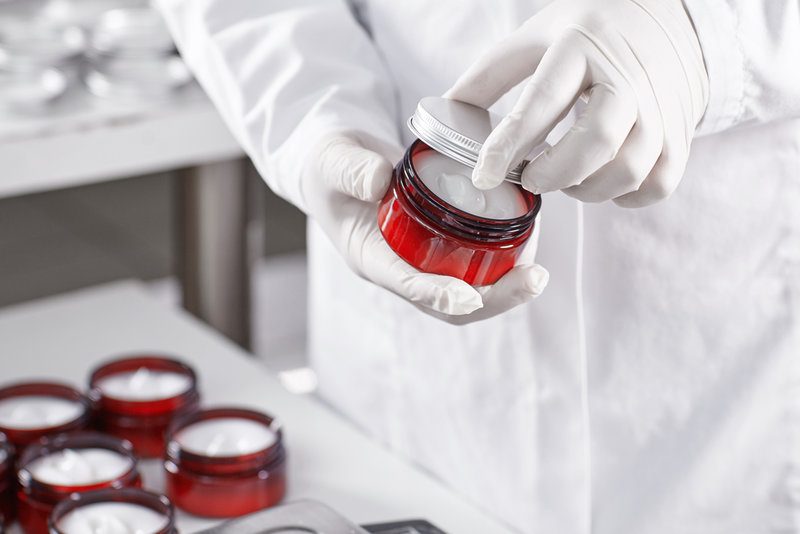
When a formula is ready and authorised, the next step is to start making and testing it on a wide scale. This is where a professional’s knowledge and superior technologies help solve the problem of going from a tiny laboratory prototype to a large-scale commercial batch. The product is mixed and made in a regulated, sterile, and clean atmosphere using industrial-grade machines and enormous, automated vats that can blend materials exactly right at the right temperature, pressure, and agitation. This level of automation and accuracy is essential for making sure that every batch of the product has the same texture, colour, smell, and effectiveness. This is an important part of keeping the brand’s reputation and confidence with customers.
After the mixing is done, the product is moved to the line for filling and packing. This process is also quite mechanised and accurate, with machines that can quickly and accurately fill thousands of bottles, jars, or tubes. Packaging is more than simply how a brand looks; it is an important aspect of how well the product works. Professionals make sure that the packaging keeps the product safe from light, air, and dirt, which keeps it stable and gives it a longer shelf life.
Quality control (QC) is a constant and strict part of the whole production process. A professional skincare production plant has a number of checkpoints to make sure that quality is kept up at all times. This begins with testing the quality of incoming raw materials, followed by in-process checks where samples of the batch are tested for consistency. After that, the completed product goes through a series of final testing, such as checking for stability, pH, viscosity, microbial contamination, and sensory qualities. This careful quality control method makes sure that every item that leaves the factory is safe, high-quality, and lives up to the brand’s promise.
Phase 3: Testing and Post-Production
The trip isn’t over yet, even after the product has been filled and wrapped. The last step is a set of important tests that are done after production to make sure the product is safe and effective in the long run. Stability testing is a must-do stage in which the product is put through several environmental conditions, such heat, cold, and light, to examine how it holds up over time. This test checks how long the product will last and makes sure that it will stay stable and work well from the time it is made until it is used. Microbiology tests are done to make sure the product doesn’t have any harmful bacteria, mould, or yeast, which is very important for the safety of the people who use it.
Efficacy testing is an important step for a product that makes particular promises. This means checking the product to make sure it does what it says it will do. For instance, a moisturiser that says it can keep your skin hydrated for 24 hours will be put to the test to see if it really can. You can do this testing in-house or send it to a third-party lab. Patch testing and other safety and dermatological tests are also done to make sure the product is suitable for sensitive skin and won’t cause irritation or allergic reactions. This thorough testing process is the last thing that makes sure a product is both safe and effective for people to use.
The Benefits of Making Skincare Products Professionally
There are many benefits to hiring a professional to make skincare products. A firm gets access to unequalled knowledge and compliance with the law, which makes sure that a product is safe, effective, and legal from the start. Professional practices make sure that every batch of goods is the same, which is highly important for the reputation of the business. A manufacturer can make a product more quickly and on a larger scale than a small business can, which helps a brand fulfil market demand and thrive. They also let people use high-quality ingredients and modern technology that aren’t available to the general public. This gives businesses more time and resources to focus on marketing and sales while letting an expert handle the complicated and time-consuming process of making things. This is a big plus, especially for a new business with few resources.
The Path from Idea to Shelf
It takes a lot of work and cooperation to turn a basic idea into a finished beauty product. A brand gives the vision and creative direction, while a professional manufacturer gives the know-how, the technology, and the promise of quality and safety. The end product is more than just a cosmetic object; it is a carefully researched, scientifically created, tested, and safely made thing that has its own journey. This journey is proof of the devotion and competence of the people who made it.
Conclusion: A Promise to Keep People Safe and Do Great Work
To sum up, making skin care products is a very technical, regulated, and scientific procedure that is necessary to make a good product. A competent manufacturer is an essential partner because they make sure that products are safe and meet all regulations, that they are consistent and of high quality, that they can be produced efficiently and on a large scale, and that they have access to cutting-edge technology. A competent manufacturer is a must for any firm that wants to give its customers a safe, effective, and high-quality product. Investing in professional skincare manufacturing is good for a brand’s reputation, shows that they care about their customers’ safety, and is the key to a product’s long-term success.