




The inherent strength and versatility of structural steel have made it the backbone of modern architecture and engineering. From towering skyscrapers to expansive industrial warehouses, steel provides the skeletal framework that allows for impressive spans and complex designs. However, despite its robust nature and non-combustible classification, steel possesses a significant vulnerability when exposed to extreme heat. While it does not catch fire, its load-bearing capacity begins to diminish rapidly as temperatures rise, reaching a critical point where the stability of an entire building can be compromised. This reality makes the implementation of fire protection for structural steel a non-negotiable aspect of contemporary construction and safety legislation. Effective fire protection for structural steel is designed to insulate the metal, delaying the rate at which it absorbs heat and extending the period during which the structure remains stable. This window of time is vital for the safe evacuation of occupants and the intervention of emergency services. Without these protective measures, the structural integrity of a building can fail long before the actual fire has been extinguished, leading to catastrophic collapses and increased danger to life.
The fundamental principle behind fire protection for structural steel lies in the thermal properties of the metal itself. Steel is an exceptional conductor of heat, meaning that when one part of a beam is exposed to flame, the thermal energy quickly dissipates throughout the entire member. As the internal temperature of the steel approaches approximately five hundred degrees Celsius, it loses about half of its structural strength. If the temperature continues to climb, the steel becomes ductile and begins to deform under the weight it was designed to carry. This process of thermal weakening is why fire protection for structural steel is categorized as a passive safety measure. It does not actively fight the fire but rather provides a thermal barrier that manages the temperature increase within the steelwork. By maintaining the steel at a temperature below its critical failure point for a specified duration, usually ranging from thirty minutes to four hours, the protection ensures that the skeletal frame of the building continues to perform its primary function under duress.
One of the most widely utilized methods for achieving fire protection for structural steel involves the application of intumescent coatings. These are advanced chemical treatments that appear like standard paint when applied but undergo a dramatic transformation when exposed to high temperatures. At a specific trigger point, the chemical components within the coating react, causing the layer to expand to many times its original thickness. This expansion creates a thick, carbonaceous char that acts as an insulating foam. This char is an incredibly effective form of fire protection for structural steel because it traps air and significantly slows the transfer of heat from the external environment to the steel surface. The primary advantage of intumescent coatings is that they allow the aesthetic form of the steelwork to remain visible, which is a key requirement in modern architectural designs that feature exposed steel elements. Because the coating is thin under normal conditions, it does not interfere with the clean lines of the structure, yet it stands ready to provide life-saving insulation the moment a fire occurs.
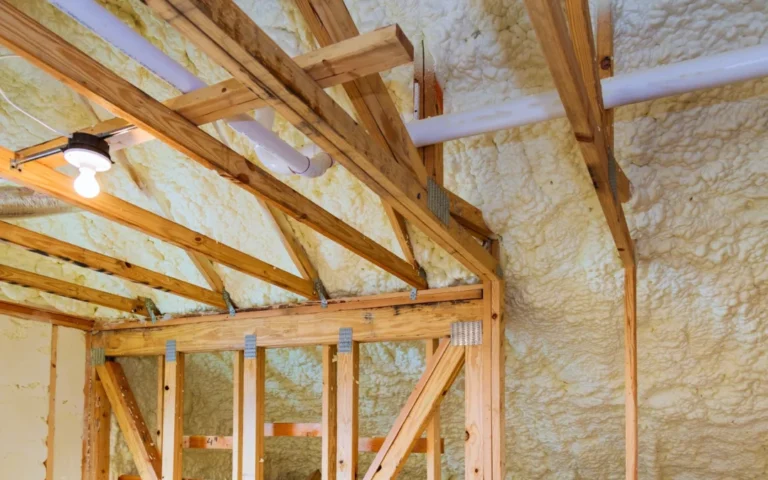
Another traditional yet highly effective approach to fire protection for structural steel is the use of spray-applied fire-resistive materials, often referred to as cementitious sprays. these materials consist of a mixture of mineral wool, perlite, or vermiculite combined with a cement or gypsum binder. When sprayed onto the surface of a steel beam or column, they create a textured, monolithic layer of insulation. While perhaps less aesthetically pleasing than paint-based solutions, cementitious sprays are a cost-effective and durable choice for fire protection for structural steel in areas where the steelwork is hidden behind ceilings or wall panels. These sprays are particularly valued for their high thermal resistance and their ability to stay adhered to the steel even under the turbulent conditions of a fully developed fire. The thickness of the application can be adjusted to meet specific hourly fire ratings, making it a flexible solution for diverse industrial and commercial applications.
In addition to sprays and coatings, board systems represent a significant sector of the fire protection for structural steel market. These boards are typically manufactured from calcium silicate, gypsum, or mineral fibre and are fixed around the steel members to create a protective box. Board systems are often preferred in environments where a clean, dry installation is required or where a high level of impact resistance is necessary. Because the boards are manufactured in controlled factory conditions, they offer a highly consistent level of fire protection for structural steel that is not dependent on the ambient conditions of the construction site. This method is particularly useful for protecting columns in high-traffic areas where decorative finishes are also desired, as the boards can be easily skimmed or painted to match the surrounding interior design. The air gap often left between the steel and the board provides an additional layer of thermal insulation, further enhancing the performance of the fire protection for structural steel.
The selection of the appropriate fire protection for structural steel is a complex process that must take into account the specific fire risk of the building, the architectural requirements, and the environmental conditions. For instance, in external environments or high-humidity industrial plants, the chosen fire protection for structural steel must be resistant to moisture and atmospheric corrosion to ensure long-term performance. In these cases, epoxy-based intumescent coatings are often specified because they provide both fire resistance and heavy-duty corrosion protection. Conversely, in a standard office building, the focus might be more on ease of application and aesthetic integration. Engineers must also calculate the section factor of the steel, which is the ratio of the heated perimeter to the cross-sectional area. A thinner steel member will heat up faster than a thicker one, requiring a more substantial layer of fire protection for structural steel to achieve the same safety rating. This calculation is a cornerstone of fire safety engineering, ensuring that every individual piece of the structural puzzle is adequately shielded.
The evolution of fire protection for structural steel has been driven by both tragic historical events and remarkable scientific advancement. Early methods often involved encasing steel in thick layers of concrete, which, while effective, added immense weight and cost to the structure. Today, the focus has shifted toward lightweight, high-performance materials that do not compromise the efficiency of the building design. Modern fire protection for structural steel is now integrated into the very early stages of the design process, allowing architects to plan for safety without sacrificing their creative vision. This integrated approach ensures that the fire protection for structural steel is not an afterthought but a fundamental characteristic of the building’s identity. As building heights increase and new materials are introduced, the techniques used for fire protection for structural steel continue to adapt, utilizing computer modeling and large-scale furnace testing to prove their efficacy under the most extreme scenarios imaginable.
The maintenance and inspection of fire protection for structural steel are just as important as the initial installation. Over the lifespan of a building, various factors can degrade the performance of these safety measures. Mechanical damage, water ingress, or even subsequent building renovations can compromise the integrity of the fire protection for structural steel. It is essential that building managers conduct regular surveys to identify any areas where coatings may have chipped or boards may have become dislodged. Repairing these defects promptly is vital, as even a small unprotected area can become a thermal bridge that allows heat to bypass the insulation and weaken the steel. Ensuring that the fire protection for structural steel remains in top condition is a continuous responsibility that guarantees the safety of the structure remains intact for as long as the building stands.
Ultimately, fire protection for structural steel represents a marriage of engineering precision and a commitment to human safety. It is a field of study that acknowledges the limitations of even our strongest materials and seeks to overcome them through innovation. By understanding the thermal behavior of metal and the chemical properties of insulating materials, the industry has developed a diverse toolkit for fire protection for structural steel that caters to every conceivable building type. Whether it is through the invisible shield of an intumescent paint, the rugged barrier of a cementitious spray, or the neat enclosure of a board system, the goal remains the same. Every application of fire protection for structural steel is a calculated investment in resilience, providing the necessary time for people to escape and for fires to be brought under control. As we continue to build upward and push the boundaries of structural design, the role of fire protection for structural steel will only become more prominent, serving as the silent guardian within the walls of our most impressive structures. This silent guardianship ensures that the strength of the steel is matched by the strength of our safety protocols, creating a built environment that is as secure as it is ambitious.
Get in Touch:
FireCoatings.co.uk – a trading name of NuColour Ltd
3rd Floor, 86 – 90 Paul St, London EC2A 4NE
0330 133 3420
firecoatings.co.uk