





Choosing fencing materials for a garden renovation or new boundary installation involves more than browsing product catalogues. The decision reflects your priorities for maintenance, budget, appearance and how the fence will suit your property’s character over years of use. Composite materials have become an increasingly popular option, but selecting them requires genuine consideration of what you expect from your outdoor space and what level of involvement you’re prepared to commit to.
A composite fence combines timber fibres with plastic polymers to create boards that resist the weather-related deterioration typically associated with solid wood. Unlike traditional timber, composite materials do not absorb moisture, rot from ground contact or require seasonal treatment with preservative coatings. This fundamental difference in material behaviour influences every practical aspect of ownership and should shape your decision-making process before installation begins.
When evaluating whether composite fence boards suit your circumstances, one of the first considerations is how the material aligns with your maintenance preferences. Composite boards eliminate the annual or bi-annual cycle of cleaning, staining or treating that solid wood fencing demands. Where timber requires intervention to maintain its appearance and protect it from weathering, composite materials maintain their colour and structural integrity without these regular applications. This distinction becomes particularly valuable if your property is in a location exposed to harsh coastal conditions, industrial pollution or heavy rainfall, where untreated timber deteriorates noticeably within a few years.
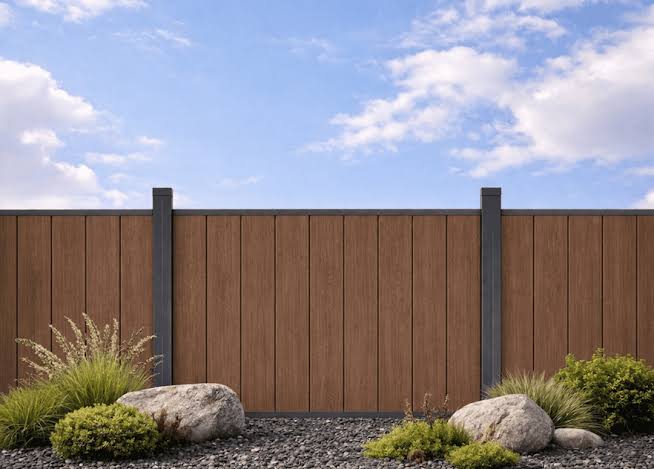
The aesthetic qualities of composite materials deserve careful thought before committing to installation. Unlike natural timber, which develops a distinctive silver-grey patina as it weathers and ages, composite boards retain a more uniform appearance throughout their life. Modern composite manufacturers produce boards in multiple colours and surface finishes designed to mimic timber grain patterns, yet the visual consistency remains notably different from genuine wood. Some property owners prefer this stability and consider it contemporary; others feel that the unchanging appearance lacks the character that natural materials develop over time. Visiting properties where composite fencing has been installed, or examining samples in person rather than online imagery, helps clarify whether the aesthetic genuinely suits your garden design and preferences.
Cost comparison forms another essential element of the decision process. Composite boards typically carry a higher initial purchase price than equivalent timber alternatives. However, this higher upfront cost should be evaluated against the cumulative expense of maintaining timber fencing over the same period. When you account for annual or biennial treatment, occasional repairs, replacement of damaged boards and the time required to manage maintenance, the total cost of ownership often becomes more comparable. Understanding whether the composite material’s premium price represents value depends on your personal circumstances: the length of time you intend to remain at the property, whether you prefer spending money upfront or managing costs gradually, and how much you value reduced ongoing maintenance.
Ground-level performance presents a critical practical consideration that deserves specific attention. Composite boards perform well in preventing moisture absorption at their lower sections, meaning they resist the rot and decay that affects traditional timber where fence panels meet damp soil. This characteristic makes composite materials particularly suitable for gardens in low-lying areas, properties with naturally heavy clay soil, or locations where the water table remains high. Conversely, if your garden experiences good drainage and you’re comfortable managing timber maintenance, solid wood fencing can perform reliably in drier conditions without the need to upgrade to composite alternatives.
Considering Your Garden’s Particular Environment
Different garden situations present varying demands on fencing materials. Coastal properties face salt spray and wind that accelerate timber deterioration and require more frequent maintenance intervention. Urban gardens exposed to atmospheric pollution show similar acceleration of weathering in traditional wood. Suburban gardens with moderate exposure and reasonable drainage may pose fewer challenges, allowing either material to perform adequately. Shaded gardens where moisture lingers longer benefit from composite materials’ moisture resistance, whilst fully exposed southern gardens with good air circulation present less severe conditions for timber. Before deciding on materials, honestly assess your specific location’s climate, exposure and drainage conditions, and how these factors historically affect fencing and other outdoor structures.
Installation and Support Considerations
Composite fence boards require installation using suitable support systems. They cannot be simply attached to traditional timber posts using standard methods; the different expansion and contraction rates of composite boards and timber posts can lead to problems if the installation doesn’t account for these material differences. Some installations use concrete posts specifically designed for composite fencing, whilst others employ timber posts with appropriate fitting systems that allow for thermal movement. Understanding these technical requirements beforehand helps you plan installation costs and ensures the person or team installing your fence understands the material-specific demands. If you’re planning a DIY installation, composite materials are generally less forgiving than timber if errors occur during fitting, so competence and preparation matter considerably more.
Longevity and Warranty Implications
Composite materials typically carry longer warranties than timber, often extending fifteen to twenty-five years depending on the product and manufacturer. This extended warranty period reflects the material’s resistance to decay and weather damage, but it does not guarantee that the fence will remain visually unchanged or require no maintenance throughout that period. Colours may fade gradually, particularly boards exposed to intense direct sunlight, and occasional cleaning may be desirable to maintain appearance. Understanding what your warranty actually covers, what it excludes and what your realistic expectations should be helps prevent frustration later. Timber fencing carries shorter warranties because untreated wood deteriorates predictably, but with appropriate maintenance the fence can remain functional well beyond its warranty period.
Style and Garden Character
The visual compatibility between your chosen fencing and the broader character of your garden and property matters more than many people anticipate when making final decisions. Modern composite boards work well in contemporary garden designs, contemporary architecture and minimalist landscaping schemes where their uniform appearance and clean lines complement the overall aesthetic. Traditional properties, period cottages, formal gardens and landscapes emphasising natural materials may feel less harmonious with composite materials, though this represents personal preference rather than any absolute rule. Some homeowners deliberately contrast materials for visual interest; others prefer consistency. Walking around your neighbourhood, photographing properties with different fencing styles you find appealing, and considering whether composite or timber boards align with that vision helps clarify your genuine preferences rather than making a decision based on assumed market trends.
The Practical Next Steps
Once you’ve considered these elements and determined that composite fence boards align with your property’s needs, budget and aesthetic preferences, the practical next stage involves sourcing materials from a reputable supplier experienced in fencing installation. A knowledgeable timber merchant can advise on specific product options, discuss installation requirements suited to your garden conditions, and clarify pricing, delivery and any technical support available. Making this decision methodically, rather than rushing to purchase based on initial impressions, ensures your fencing project delivers genuine satisfaction rather than requiring costly remedial work or replacement because fundamental requirements were overlooked.