





Selecting a mini excavator is rarely a simple matter of picking a model off a brochure. The most successful plant purchases begin with a clear appraisal of the environments in which the machine will operate: access, ground conditions, tasks, transport arrangements and the level of operator expertise all influence which machine will deliver best value and productivity.
Manufacturers now offer a wide spectrum of compact machines to suit different jobs, from sub‑2‑tonne models for tight landscaping work to 8‑tonne machines for heavier groundwork. Within that range, features such as zero or reduced tail swing, hydraulic performance, rapid‑attach compatibility and undercarriage width turn up repeatedly as practical differentiators for everyday use on UK sites, so it pays to match those elements to real site constraints rather than headline tonnage alone.
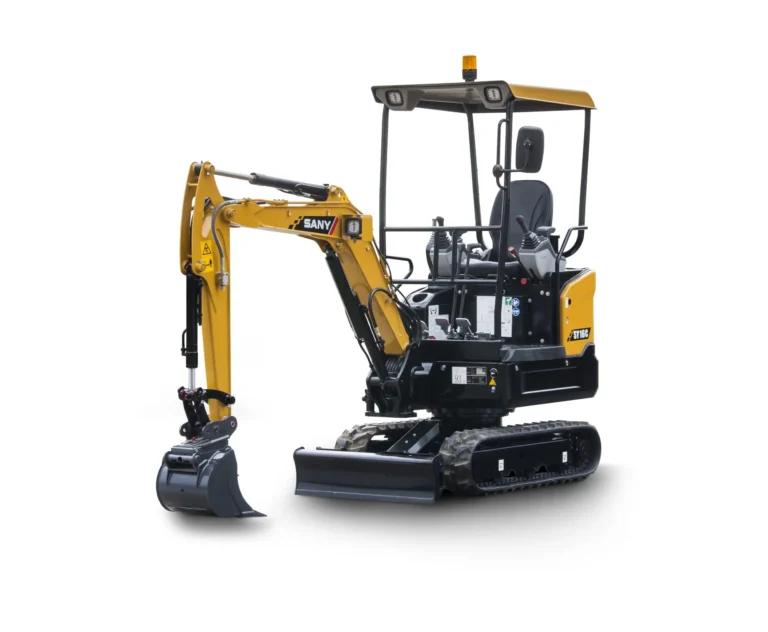
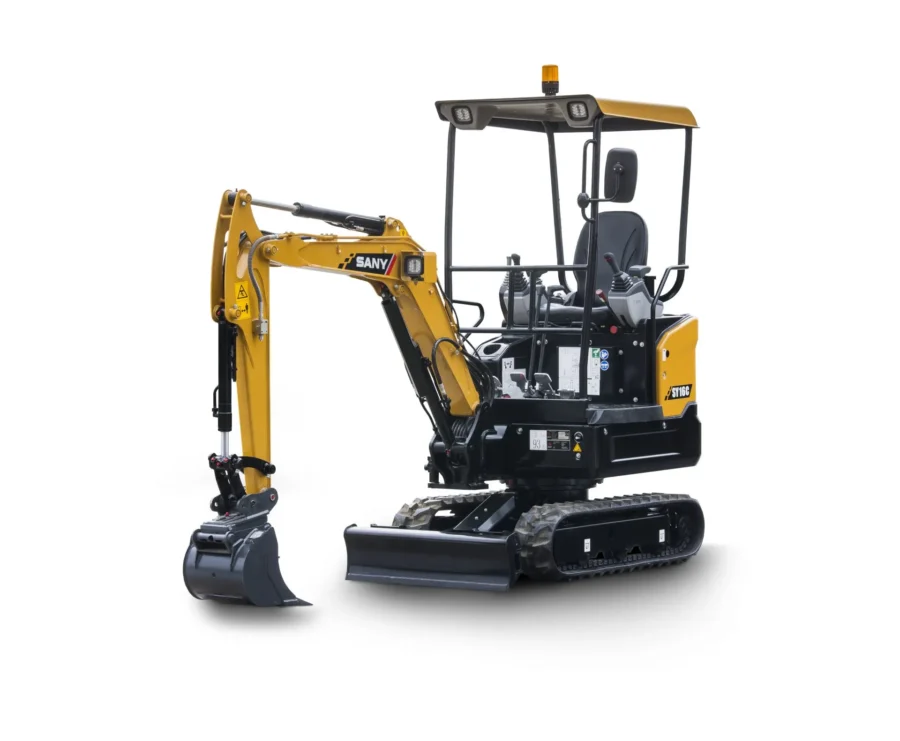
For those considering specific marques, finding a knowledgeable supplier that can walk through model capabilities against your site list makes selection straightforward; for example, contractors comparing SANY models will focus on how individual machine specifications meet their tasks and transport needs when choosing a SANY mini excavator SANY mini excavator.
Start with the site: space, access and transport
Begin by auditing the places where the machine will work. Narrow gates, low garden walls, confined basements or inner‑city courtyards all impose different constraints. Reduced‑tail‑swing or zero‑tail‑swing machines minimise the risk of knocking adjacent structures, while adjustable‑width undercarriages and folding dozer blades ease access through tight gaps without resorting to specialist rigging.
Consider not just the workface but the route between sites. A compact excavator that trailers easily will save time and haulage costs across multiple stops. Confirm dimensions, transport weights and how attachments affect those figures before committing, and plan for safe securing and lifting points during mobilisation to avoid delays and permit friction on arrival.
Match machine features to task types
Think in terms of primary tasks and the occasional extras. Trenching and utilities work prioritises breakout force, reach and hydraulic flow for breakers or trenchers. Landscaping and soft‑scaping demand low ground pressure and smooth travel for delicate lawns and paving. Groundwork and small‑scale construction require stability under load, sufficient counterweight and durable undercarriage components.
Attachments and hydraulic considerations
Attachments are often the single biggest factor in making one mini excavator serve many roles. A good quick‑hitch system and generous auxiliary hydraulic flow let you swap buckets, breakers, augers, compactors and grapples with minimal fuss. Where jobs demand precise control, fingertip or proportional auxiliary controls are invaluable; for intermittent attachment use, a simpler single‑circuit set‑up may suffice. Always verify the machine’s auxiliary flow, pressure ratings and plumbing options against the attachments you intend to use.
Ground conditions, undercarriage and stability
Soil type dictates undercarriage choice. Soft or marshy ground benefits from wider rubber tracks or optional steel pads to spread load and reduce sinking, while stony or abrasive sites favour reinforced undercarriages, dozer‑blade protection and belly guards. Consider track tensioning systems and the availability of replacement parts locally, because a damaged track can quickly halt work if spares are not readily accessible.
Operator comfort, safety and productivity
Operator comfort directly relates to output. A well‑designed cab with clear sightlines, adjustable seating and logical controls reduces fatigue and lets operators work faster and more safely. Visibility aids—such as mirrors, camera options and well‑placed lighting—are particularly useful on multi‑trade sites. Simple maintenance points, such as easy‑access service panels, greasing points and clearly located filters, also reduce downtime by making routine checks and servicing quicker and more reliable.
Electric and low‑emission options
Electric mini excavators are increasingly viable for city work, indoor tasks and noise‑sensitive locations. They produce zero on‑site exhaust emissions and lower operating noise, making them attractive for evening works or projects with strict local controls. Although the purchase price and charging infrastructure need consideration, electric models often have fewer moving parts and different maintenance patterns, which can simplify servicing in the long run. When evaluating electric options, align battery size, duty cycle and charger availability to your planned shift lengths and site facilities.
Ownership models: buy, finance or hire
Choosing how to acquire a machine depends on utilisation, cashflow and fleet strategy. High‑use machines generally justify outright purchase, while flexible finance spreads cost without tying up capital. Short‑term hire or long‑term rental lets you trial a spec in real conditions and provides the agility to scale capacity up or down with project flow. When comparing options, request clear, comparable figures for monthly costs, service inclusions and residuals so you can align the purchase model to your business economics.
Aftercare and supplier support
Aftersales support is where a purchase becomes an effective operational tool. Suppliers who offer UK‑wide delivery, local parts stocking, technical advice and planned servicing reduce the risk of prolonged downtime. Fitzgerald Plant Services, established in 2007, supports customers across the UK with a comprehensive SANY range and offers flexible finance, export and aftersales options from bases in Cwmbran, Dudley, Corwen and Gateshead, which helps contractors keep machines working regardless of location.
Ask potential suppliers about service turnaround times, parts lead times and the scope of warranty cover. Practical support can include on‑site commissioning, operator familiarisation, scheduled maintenance packages and access to authorised technicians who understand the specific models you run.
Preparing your site and team
Proper preparation reduces teething problems. Mark utilities, plan material flows and establish secure storage for attachments, fuel and consumables before the machine arrives. Brief operators on machine‑specific checks and safe working limits: a short familiarisation session typically saves hours of lost productivity and prevents avoidable damage.
Transport and mobilisation tips
Prepare a mobilisation checklist that includes confirmed machine dimensions and weight, attachment stowage plans and any permits required for local access. For tight sites, consider phased delivery—dropping attachments separately or moving the machine during quiet hours—to minimise disruption. Ensure lifting points are identified and that the chosen transport provider is experienced with compact excavators to avoid unnecessary handling delays.
Assessing total cost of ownership and productivity
Look beyond purchase price to build a realistic total cost profile: fuel consumption, typical repair costs, scheduled maintenance and expected uptime all matter. Factor in how much faster a well‑matched machine will perform tasks compared with manual labour or borrowed kit, and estimate payback in terms of cycle times, reduced subcontractor use and improved job throughput. Where feasible, arrange a trial on representative work so empirical productivity figures guide the final decision rather than guesswork.
Choosing the right mini excavator is a process of aligning machine capability with the practical realities of work. When context — site constraints, task mix, transport and operator skills — is placed at the centre of decision‑making, the result is a machine that performs reliably and improves on‑site efficiency. Suppliers who provide practical model comparisons, flexible purchasing choices and robust aftersales support make it straightforward to match needs to machines, ensuring a confident investment for your business.
Get in Touch:
Fitzgerald Plant Services Ltd
Avondale Business Par, Avondale Rd, Cwmbran NP44 1TS
01633 860693
fitzgeraldplant.co.uk