





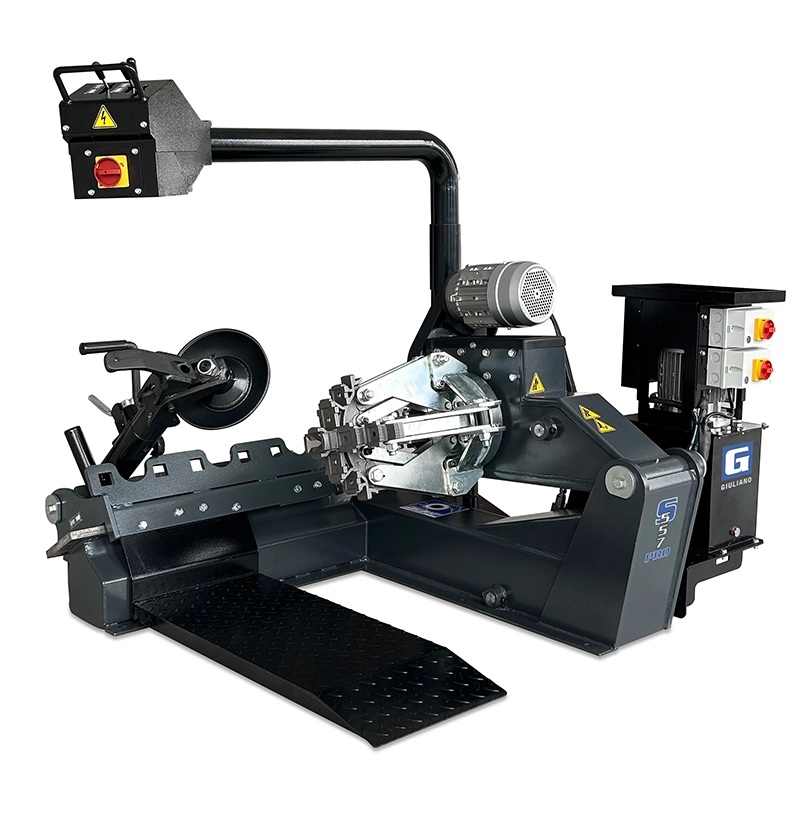
The car repair sector has seen extraordinary technical improvement in recent decades, with equipment innovations radically altering how mechanics perform their regular responsibilities. Tyre changers stand out among these advances as one of the most significant enhancements to workshop operations, providing major benefits in terms of production and worker safety. These specialist equipment have changed what was previously a labour-intensive and potentially dangerous manual process into a streamlined, efficient operation that protects technicians while improving service quality.
Prior to the widespread use of tyre changers, removing and fitting tyres to wheel rims was a physically taxing task that required significant strength, skill, and time. Mechanics frequently struggled with tire irons and manual leverage techniques, risking injury to their backs, hands, and joints. The development of tyre changers has reduced much of this physical strain, allowing workshops to finish tyre-related services faster while dramatically lowering the risk of workplace injuries. This advancement offers more than just a convenience; it is a fundamental enhancement in how modern garages run.
The principal benefit that tyre changers provide to automobile workshops is a significant reduction in physical strain on mechanics. Traditional manual tyre changing methods required technicians to exert significant force, frequently in awkward positions that put strain on their lower backs and shoulders. Over time, this constant strain may cause chronic musculoskeletal disorders, leading expert mechanics into early retirement or extended sick leave. Modern tyre changers avoid the need for such physical exertion by utilising pneumatic or hydraulic systems to accomplish the heavy work, allowing mechanics to manage the machine via simple controls while the equipment handles the tough portions of the task.
When workshops invest in high-quality tyre changers, their workflow efficiency increases significantly. What used to take an expert technician 15 to 20 minutes per wheel may now be completed in a fraction of the time. This time savings translates directly into greater workshop capacity, allowing technicians to serve more customers throughout the day while maintaining service quality. Tyre changers give consistency, which allows less experienced technicians to obtain professional results faster, lowering the learning curve and allowing workshops to deploy their workers more flexibly across multiple activities.
When evaluating the benefits of tyre changers, safety issues go beyond physical strain. Manual tyre changing involved various risks, such as tyre irons slipping and inflicting hand injuries, tyres abruptly escaping from rims and striking the technician, and wheel assemblies toppling during the changing operation. Professional tyre changers include a variety of safety elements to help prevent such mishaps. The machines typically include clamping systems that securely hold the wheel assembly in place throughout the process, bead-breaking mechanisms that safely separate the tyre from the rim without violent movements, and controlled inflation procedures that allow mechanics to remain clear during the critical moments when the tyre bead seats onto the rim.
Modern tyre changers’ adaptability improves workshop efficiency by allowing mechanics to handle a wide range of wheel and tyre combinations. Contemporary automobiles arrive at workshops with increasingly various wheel specifications, ranging from compact car wheels to massive alloy rims used on performance vehicles and SUVs. Quality tyre changers include adjustable clamping systems and different operating modes, allowing mechanics to work safely with a wide range of wheel types. This adaptability means that workshops do not have to turn away customers with strange wheel specs, extending their potential market while ensuring that their mechanics can work safely regardless of vehicle type.
Customer satisfaction improves significantly when workshops use skilled tyre changers, which decrease the danger of cosmetic damage to pricey alloy wheels. Manual changing methods can easily cause scratches, scuffs, or dents on wheel rims, resulting in customer complaints and potentially costly warranty claims. Modern tyre changers have protective features like polymer-coated clamps and precise leverage control to reduce contact between strong metal components and the wheel surface. This protection not only prevents damage but also increases customer trust, as car owners recognise the importance of workshops that invest in suitable equipment to protect their costly wheel assemblies.
Throughout the entire workshop operation, tyre changers provide economic benefits. While the initial investment in excellent equipment must be considered, the return is realised through a variety of routes. Reduced service times lead to better throughput and income possibilities. Lower injury rates mean fewer sick days and lower insurance premiums. Decreased wheel damage leads to fewer warranty claims and a better reputation. Additionally, mechanics who use proper tyre changers report increased job satisfaction, which can boost staff retention and cut recruitment costs in an industry where skilled technicians are becoming increasingly difficult to find.
When workplaces have sophisticated tyre changers, it makes it much easier to train new mechanics. The defined operating procedures connected with these equipment establish a consistent learning framework, allowing rookie technicians to develop proper practices from the start. Rather than learning potentially harmful manual procedures that may differ across instructors, trainees can adhere to explicit operating parameters that guarantee safe, effective results. This consistency in training helps to maintain quality standards throughout the workshop and lowers the possibility that novice mechanics would damage client wheels or injure themselves during the learning process.
Long-term mechanic health is heavily reliant on ergonomics, which tyre changers excel at. The devices are designed to put the wheels at a comfortable working height, removing the need for mechanics to bend, squat, or operate in confined conditions. This smart design allows professionals to maintain a better posture throughout the tyre-changing operation, minimising tiredness and preventing small strains from developing into major difficulties over time. For workshop owners who care about their employees’ well-being, investing in proper tyre changers displays a dedication to providing a healthy working environment.
Professional tyre changers produce consistent outcomes, which helps both the workshop and its clients. Every tyre is mounted and balanced to the same high standards, regardless of which mechanic does the work. This consistency guarantees that customers receive dependable, high-quality service on each visit, enhancing the workshop’s reputation for excellence. Furthermore, the controlled techniques used by tyre changers decrease the possibility of errors such as poor bead seating or rim damage, which could result in safety hazards or premature tyre failure.
Modern tyre changers also help to improve workshop organisation and cleanliness. Unlike manual changing methods, which might spread tools and components across the work area, these machines provide a specialised station where all tyre-related work is done in a controlled environment. This arrangement increases overall workplace efficiency by minimising the time mechanics spend seeking tools and preparing work locations. It also improves safety by keeping pathways clear and storing potentially hazardous objects like tyre irons correctly rather than leaving them lying around where they could cause trips and falls.
As vehicle technology advances, and innovations such as run-flat tyres, low-profile performance tyres, and specific electric vehicle wheel assemblies become more popular, the need of expert tyre changers grows. These latest tyre technologies frequently necessitate specialised handling procedures that would be extremely difficult or impossible to do safely using manual methods. Workshops equipped with adaptive tyre changers can reliably service these new vehicles, ensuring their continued relevance as the automotive landscape evolves.
Finally, tyre changers are an important investment for any serious automotive workshop, as they increase almost every significant operational measure. They safeguard technicians from injury, speed up service delivery, improve customer happiness, cut expenses, make training easier, and prepare the firm for changing vehicle technologies. The transformation these machines bring to day-to-day workshop operations demonstrates how focused equipment investment may significantly improve both employee working conditions and the business’s commercial viability.