




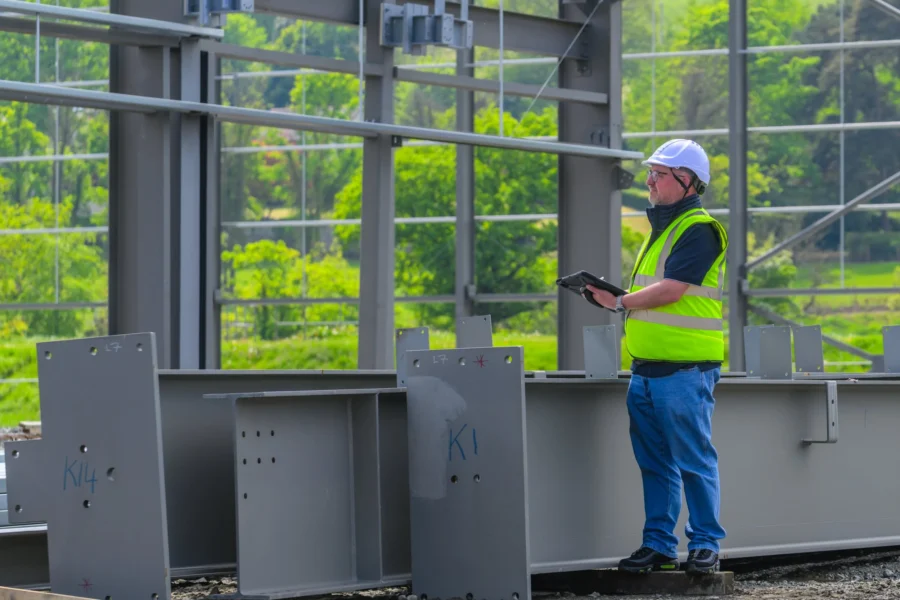
Construction remains one of the most hazardous industries in the United Kingdom, with complex sites, multiple contractors, and constantly changing risks. This reality makes specialist CDM and health and safety support not just desirable but essential for protecting people, meeting legal duties, and delivering projects on time and within budget. Without dedicated expertise in CDM and health and safety support, even well‑intentioned teams can overlook critical hazards, mismanage documentation, or fail to coordinate effectively across the project lifecycle.
The Legal Framework That Makes Specialist Support Necessary
The Construction (Design and Management) Regulations 2015, known as CDM 2015, set out clear legal duties for everyone involved in a construction project, from clients and designers to principal contractors and individual contractors. These regulations require health and safety to be considered from the earliest design stages through to completion and handover, ensuring risks are eliminated or reduced before work begins on site. Because the regulations place specific responsibilities on different duty holders, navigating them correctly demands a thorough understanding of when appointments are required, what documents must be produced, and how compliance is evidenced. This is precisely where specialist CDM and health and safety support becomes indispensable, guiding clients and contractors through their statutory obligations and reducing the risk of enforcement action or prosecution.
Under CDM 2015, clients must make suitable arrangements for managing a project, allocate sufficient time and resources, and appoint competent principal designers and principal contractors where more than one contractor is involved. Principal designers must plan, manage and coordinate health and safety in the pre‑construction phase, while principal contractors must prepare and maintain a construction phase plan, coordinate site safety, and ensure all workers receive appropriate inductions. Each of these duties requires technical knowledge, practical experience, and the ability to translate regulatory language into workable site processes. Specialist CDM and health and safety support ensures these duties are understood, documented, and implemented consistently, turning legal requirements into day‑to‑day practice.
Managing Complex Risks Across the Project Lifecycle
Construction projects involve a wide range of high‑risk activities, including working at height, excavation, lifting operations, and the use of hazardous substances. These risks are compounded by the dynamic nature of construction sites, where conditions change daily and multiple trades work in close proximity. Specialist CDM and health and safety support provides the expertise needed to identify, assess, and control these risks systematically through design risk assessments, method statements, and site‑specific controls. By embedding risk management into both design and construction phases, specialist support helps prevent incidents before they occur rather than reacting after harm has been done.
Effective risk management also requires clear communication between designers, contractors, and clients. Designers must eliminate or reduce foreseeable hazards through their choices of materials, methods, and sequences, while contractors must implement safe systems of work on site. Specialist CDM and health and safety support acts as a bridge between these groups, ensuring that pre‑construction information is accurate, that design risks are properly recorded, and that site teams understand how to work safely in line with the construction phase plan. Without this coordination, critical information can be lost, assumptions can go unchallenged, and preventable accidents can occur.
Ensuring Compliance Through Robust Documentation
Compliance with CDM 2015 is not only about safe working practices; it is also about producing and maintaining the right documentation. Every project requires a construction phase plan, and projects with more than one contractor also require written appointments of the principal designer and principal contractor, along with a health and safety file at handover. For notifiable projects, the client must also submit an F10 notification to the Health and Safety Executive before work begins. Specialist CDM and health and safety support ensures these documents are completed correctly, kept up to date, and reflect the actual risks and controls on site.
Documentation serves both as a legal safeguard and as a practical tool for managing safety. A well‑prepared construction phase plan sets out how health and safety will be managed on site, including arrangements for welfare, site security, emergency procedures, and contractor coordination. The health and safety file provides future clients and contractors with essential information about the building, such as residual risks, maintenance requirements, and as‑built details. Specialist CDM and health and safety support ensures these records are comprehensive and usable, reducing confusion during future refurbishment or demolition work and demonstrating due diligence if questions arise about past compliance.
The Value of Independent Expertise and Objective Oversight
One of the key benefits of specialist CDM and health and safety support is the independent perspective it brings to a project. Internal teams may face commercial pressures, tight deadlines, or conflicting priorities that can inadvertently lead to corners being cut. An external specialist provides objective oversight, challenging assumptions, identifying gaps, and ensuring that safety is not compromised in the pursuit of speed or cost savings. This independence is particularly valuable during design reviews, site inspections, and incident investigations, where an unbiased assessment can uncover issues that those closely involved in delivery might miss.
Specialist support also brings up‑to‑date knowledge of regulatory changes, industry best practice, and emerging risks. CDM 2015 is enforced by the Health and Safety Executive, which regularly updates guidance and expectations. Staying current with these developments requires continuous learning and engagement with the wider health and safety community. Specialist CDM and health and safety support ensures that projects benefit from this ongoing professional development, applying the latest standards and techniques to improve safety outcomes.
Protecting Reputation, Reducing Costs, and Supporting Business Continuity
Beyond the moral and legal imperatives, there are strong commercial reasons to invest in specialist CDM and health and safety support. Accidents and enforcement actions can lead to significant costs, including fines, legal fees, increased insurance premiums, and project delays. They can also damage a company’s reputation, making it harder to win future work or retain skilled staff. By preventing incidents and ensuring compliance, specialist CDM and health and safety support helps protect both the bottom line and the long‑term viability of a business.
Effective health and safety management also supports business continuity by reducing disruptions caused by investigations, stoppages, or loss of key personnel. A serious incident can halt work for days or weeks while authorities investigate, and the psychological impact on the workforce can linger long after the site reopens. Specialist CDM and health and safety support minimises these risks by fostering a proactive safety culture, where hazards are reported early, near misses are investigated thoroughly, and lessons are learned and shared. This culture not only protects people but also creates a more resilient and reliable delivery capability.
Building a Safer Industry Through Specialist CDM and Health and Safety Support
The construction industry has made significant progress in recent decades, yet it still accounts for a disproportionate share of workplace fatalities and serious injuries in the UK. Achieving further improvements requires more than goodwill; it requires specialist knowledge, disciplined processes, and consistent application of best practice across all projects. Specialist CDM and health and safety support provides exactly this, embedding safety into the DNA of construction work from concept to completion.
By combining regulatory expertise with practical site experience, specialists in CDM and health and safety support help clients, designers, and contractors work together more effectively, manage risks more intelligently, and deliver projects more safely. They turn complex legal duties into clear actions, transform risk assessments into meaningful controls, and ensure that documentation serves both compliance and operational needs. In an industry where the stakes are high and the consequences of failure are severe, specialist CDM and health and safety support is not an optional extra but a fundamental requirement for responsible construction.
Get in Touch
Art Safe Way Ltd
100 Borough High St, London SE1 1BL, United Kingdom
020 3143 3030