






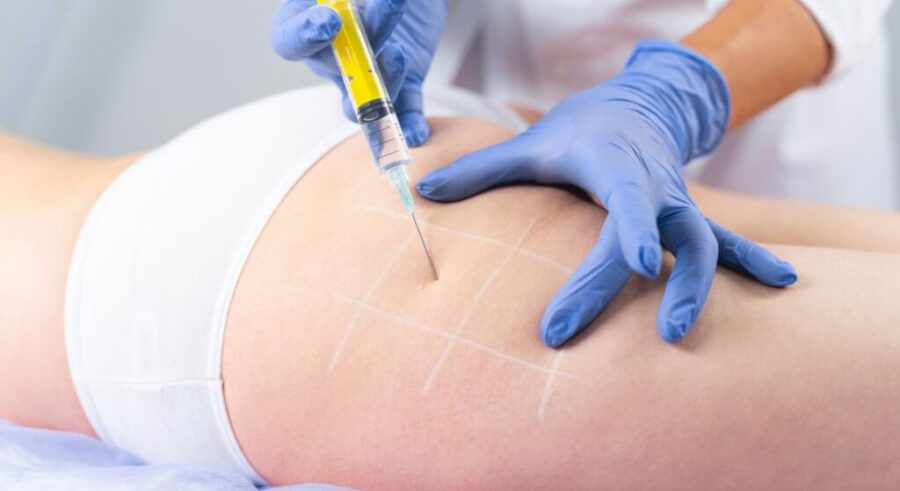
Cellulite is a prevalent cosmetic issue, impacting a significant number of women and many men too. Despite the vast array of creams, massages, devices, and temporary procedures promoted as solutions, only a handful of treatments truly tackle the underlying cause of cellulite. Subcision is considered the most effective option for a permanent cellulite treatment, as it directly addresses the fibrous bands that cause dimpling instead of just concealing the surface.
To grasp why subcision is unique, it is beneficial to first comprehend what cellulite truly is. Cellulite is more than just excess fat. It is a structural issue beneath the skin, where fibrous septae anchor the skin while fat pushes upwards, resulting in the well-known uneven, dimpled appearance. Since this process involves mechanical and anatomical factors, any effective cellulite treatment must directly address those tethering bands. Subcision performs precisely that function.
Cellulite is a term used to describe the dimpled appearance of the skin, often found on the thighs, hips, and buttocks. It occurs when fat deposits push through the connective tissue beneath the skin, leading to a bumpy texture. This condition affects people of all shapes and sizes, and it is more common in women due to differences in fat distribution and hormonal factors.
Many people believe that cellulite is solely a result of weight gain, but this perspective is overly simplistic. Cellulite is connected to the interaction between connective tissue, fat, and skin beneath the surface. In women, the fibrous bands beneath the skin are typically arranged in a manner that enhances the visibility of dimples, particularly on the thighs, buttocks, hips, and occasionally the abdomen. Hormones, genetics, age, skin thickness, and changes in body composition can all affect how noticeable it becomes.
This explains why dieting and exercise frequently improve overall body shape but do not significantly eliminate cellulite. Even individuals with a healthy weight can experience noticeable dimpling. A true permanent cellulite treatment must focus on the underlying structure beneath the skin, rather than merely targeting fat reduction or enhancing circulation. That distinction is essential, as numerous frequently promoted methods merely enhance appearance for a limited time.
Reasons why many treatments do not meet expectations
A significant number of cellulite treatments claim to deliver noticeable smoothing, yet the results are frequently limited and short-lived. Creams can provide hydration to the skin or create a slight plumping effect on the surface, which may temporarily reduce the visibility of dimples. Massage-based treatments can provide temporary relief from puffiness and enhance lymphatic drainage; however, they do not address the bands responsible for the indentation. Energy-based devices may enhance skin texture or firmness in certain instances; however, the outcomes tend to be limited, inconsistent, and not consistently enduring.
This is where the concept of a lasting cellulite treatment takes on significance. If a method does not physically alter the fibrous attachments that cause the dimples, it is improbable that it will provide a lasting change. Treatments that target the skin’s surface might give a temporary appearance of improvement; however, once the swelling subsides or the hydration diminishes, the cellulite frequently reappears. For numerous patients, this cycle turns into a source of frustration, expense, and disappointment.
Subcision is unique as it directly severs the connective bands that are pulling the skin downward. By releasing those tethers, the skin can elevate and smooth out in a more lasting manner. Subcision is widely regarded as the most credible permanent treatment for cellulite available today, and this is the fundamental reason behind its reputation.
Subcision is a minor surgical procedure used to treat scars, particularly acne scars. It involves inserting a needle under the skin to break up the fibrous tissue that pulls down on the skin, allowing for improved texture and appearance. The process promotes collagen production and helps to elevate the depressed areas of the skin, leading to a smoother surface over time.
Subcision is a minimally invasive procedure that involves the use of a needle or specialised instrument inserted beneath the skin to cut the fibrous septae. These septae serve as the bands that secure the skin to the underlying tissue, resulting in the noticeable dimples. Once they are released, the skin is no longer pulled inward at those points, resulting in a smoother surface.
In numerous instances, the procedure also results in a minor degree of controlled bleeding beneath the skin. As the area recovers, the body generates new collagen, which can additionally bolster the tissue and assist in sustaining the enhancement. This is one reason why subcision can provide results that last longer than non-invasive methods. When executed effectively, it not only alleviates cellulite for a short period but also addresses the root cause.
That being said, referring to any treatment as a permanent solution for cellulite should be approached with caution. Cellulite is a multifaceted condition shaped by factors such as age, skin elasticity, hormonal shifts, variations in weight, and genetic predisposition. Subcision can effectively release the targeted bands it addresses, yet it does not stop the formation of new cellulite in other areas over time. Even so, among the available options, it stands out as one of the few treatments that directly targets the structural issue and can yield lasting correction.
Subcision is regarded as the most effective option due to its ability to address the underlying causes of certain skin conditions. This technique involves the insertion of a needle beneath the skin to break up fibrous bands, promoting collagen production and improving skin texture. Its targeted approach allows for significant and lasting results, making it a preferred choice among various treatment options.
The reason subcision is frequently referred to as the sole permanent cellulite treatment is not due to its assurance of perfection for every patient. Instead, it focuses on addressing the root cause of the dimple. In contrast to creams, radiofrequency, massage, or topical products, subcision actively disrupts the tether that leads to skin depression. That distinguishes it fundamentally from treatments that merely enhance the skin’s appearance for a short period.
Another benefit is that results can become apparent fairly quickly, with ongoing enhancement as swelling diminishes and the tissue recovers. For individuals with prominent, deep dimples, this can significantly enhance their confidence and body image. It is a targeted treatment, making it most effective for specific, visible depressions rather than for overall skin laxity. This specificity contributes significantly to its status as a vital permanent cellulite treatment for the appropriate candidate.
Patients frequently opt for subcision due to their frustration with investing in ongoing treatments that provide only temporary results. A procedure that addresses the anatomy beneath the skin is much more likely to yield significant long-term improvement than one that merely offers surface smoothing. In this regard, subcision emerges not merely as an alternative, but as the most logical choice when the aim is enduring cellulite reduction.
What outcomes can be anticipated?
Being realistic is essential. Subcision does not eliminate all signs of cellulite in every individual, nor does it change the texture of the entire thigh or buttock in a single procedure. It is most effective for addressing specific dimples or localised depressions. Many patients pursue treatment due to a few prominent indentations that stand out more than the surrounding skin surface.
Following the procedure, it is typical to experience bruising and swelling, with recovery time differing from person to person. Some individuals resume their normal activities relatively quickly, while others require a bit more time for the area to stabilise. The enhancement is frequently most remarkable in the particular dimples that received treatment. Since the procedure targets the mechanical cause, the treated dents are less prone to reoccurrence compared to non-invasive methods. This is why subcision continues to be the top choice for a lasting cellulite treatment.
Results are influenced by both technique and the selection of patients. The most favourable results typically arise when cellulite dimples are prominently visible at rest and are attributed to distinct fibrous bands. If the concern primarily involves loose skin, diffuse fat, or broad textural irregularity, subcision by itself may not suffice. In such instances, a combined approach may be necessary; however, this does not diminish the importance of subcision as the primary structural treatment.
Why no treatment is genuinely universal
While subcision stands out as the most effective choice for a lasting cellulite treatment, it does not serve as a solution for all types of cellulite-related issues. Cellulite is affected by various factors, meaning that an individual may still experience the formation of new dimples as they age, undergo weight fluctuations, or experience a decrease in skin elasticity. This does not indicate a failure of the procedure; rather, it suggests that the condition may change as time progresses.
That is why it is more effective to consider subcision as a lasting solution for the particular bands it targets, rather than a lifelong assurance against all future cellulite. This remains a significant benefit compared to temporary methods. A cream may need to be applied daily, and a device might require multiple sessions; however, subcision can offer lasting improvement in the targeted areas. For numerous patients, this is what renders it the closest option to a genuine permanent cellulite solution.
It is important to keep in mind that no ethical clinician should guarantee absolute permanence for every patient. Honest advice ought to outline both the advantages and the drawbacks. The ideal candidates possess unique dimples and have practical expectations. In that context, subcision can provide enduring enhancement that other techniques find difficult to achieve.
The true significance of enduring transformation
For numerous individuals, cellulite represents more than merely a cosmetic concern. It influences clothing selections, self-assurance, ease at the beach, and the readiness to don specific styles. That is the reason the allure of a lasting cellulite treatment is so compelling. Individuals are not merely seeking a short-term solution; they desire to cease the repetitive contemplation of the same issue.
Subcision provides that level of value as it is grounded in anatomical principles rather than promotional tactics. It is not merely about enhancing the skin’s appearance for a short period. It concerns the liberation of the bands that initially form the dimple. When a treatment is developed based on that reasoning, it inherently possesses a greater likelihood of enduring. That is why subcision remains the most compelling permanent treatment for cellulite available.
Ultimately, cellulite is most accurately viewed as a structural skin issue, and addressing structural problems requires structural solutions. While numerous treatments can provide temporary softening of the appearance, only subcision directly addresses the underlying cause of the dimple. That is why it continues to be the top option for individuals looking for a lasting cellulite treatment with authentic long-term effectiveness.
Subcision is not a miracle solution, nor does it guarantee perfect skin. However, when executed effectively on the appropriate patient, it can yield lasting enhancements that are seldom matched by other approaches. For those seeking solutions that extend beyond temporary fixes, this treatment is the one that approaches a genuine permanent solution for cellulite.