





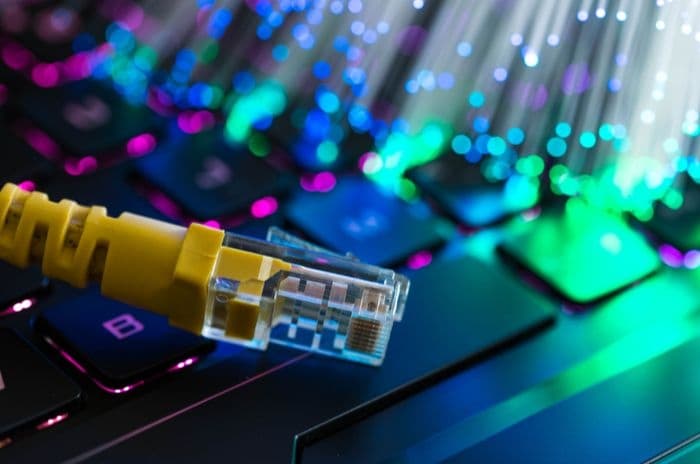
In the fast-changing world of the twenty-first century, a country’s digital infrastructure is just as important as its transportation and energy networks. The move to full fibre broadband is at the heart of this change. This technology is a big step up from the copper-based systems that have been the backbone of telecommunications for more than a century. This new type of connection uses thin strands of glass or plastic to send data as pulses of light, instead of using metal cables to send data through electrical signals. This big change in physics makes possible speeds, reliability, and capacity that were once thought to be only possible in science fiction. As we rely more and more on the internet for work and play, it’s important to comprehend the many benefits of this optical revolution in order to stay ahead in a world that is becoming more connected.
The main benefit of full fibre broadband is that it can send a lot of data at once, which is often called bandwidth. In a classic fibre-to-the-cabinet configuration, copper wiring is still used to finish the last part of the route from the local street cabinet to the building. Because copper may pick up electrical noise and lose signals over long distances, the speeds that the end user can get are very limited. On the other hand, a real end-to-end optical link gets rid of these problems completely. Because light doesn’t lose much energy as it travels, the data can go to your house or workplace almost instantly, no matter how far away it is from the exchange. This lets you post and download at the same speed, which is becoming more and more vital as we become more than simply passive consumers of content. We are becoming active creators and broadcasters.
Another reason these optical networks are better is that they are very reliable. Traditional copper cables are vulnerable to many environmental conditions that might cause service interruptions or slow down connections. Heavy rain can get into ancient joints and cause short circuits, and electromagnetic interference from adjacent power lines or even household appliances can make the signal weaker. Full fibre broadband is completely immune to electromagnetic interference since it uses light pulses instead of electricity. Also, the materials used in optical cables don’t rust or corrode like copper does, which makes the physical infrastructure much stronger and needs much less upkeep during its lifetime. This built-in strength gives organisations and people who need a steady, reliable connection for important work peace of mind that outdated technologies just can’t match.
The idea of a smart home is becoming more popular, and the need for several devices to be connected at the same time has grown. Smartphones, tablets, laptops, smart TVs, and a lot of other internet-connected devices are all competing for bandwidth in most modern homes. When a lot of people use traditional broadband at the same time, it might be hard for it to handle the demand. This can cause buffering, lag, and broken connections at busy times. Full fibre broadband solves this problem by giving you a significantly bigger data channel. Because so much information can be processed at once, one family member can watch a high-definition movie in one room, another can play a competitive online game in another room, and a third can have a professional video conference, all without affecting the quality of service for the others.
The economic effects of a widespread implementation of optical technology are just as enormous. Companies who switch to an all-optical infrastructure will see an increase in productivity and new ideas. With high-speed internet, cloud-based services may be used without any problems. This lets businesses store and process large amounts of data without having to buy expensive servers on-site. It also makes remote work arrangements, which are already common in the job market, work better. When employees can access company networks and work with one other over high-quality video links that make them feel like they’re in the same room, the obstacles to talent and business across borders begin to fade. In general, areas with better internet connections tend to get more investment and have a more active entrepreneurial ecosystem, which helps the economy grow and be stable in the long term.
Full fibre broadband is the basis for the next generation of entertainment and media experiences. Ultra-high-definition streaming is just the beginning of a trend that will require a lot more bandwidth than regular video. Virtual and augmented reality apps that need very low latency and high throughput to work right are starting to show up. Latency is the time it takes for a command to be issued and a response to be received. It is an important part of how interactive digital experiences feel. Latency is kept to a minimum since light moves so quickly through fibre. This is especially important for online games, where even a tiny delay can mean the difference between winning and losing, and for social networks that want to recreate real-life interactions in a digital arena.
A strong optical network can potentially change the way students learn. As more and more learning takes place online, students need reliable access to a wide range of digital materials, such as interactive textbooks, educational films, virtual classrooms, and collaborative research platforms. Full fibre broadband makes sure that all students, no matter where they are, can use the best instructional resources. It makes it possible to use data-heavy apps like remote labs and real-time tutoring, which can help students learn in addition to what they study in the classroom and provide people in remote or underserved locations more chances to learn. By closing the digital divide, we make sure that the next generation has all the skills and knowledge they need to do well in a digital economy.
In a world that cares about sustainability, the effects of telecommunications infrastructure on the environment are becoming more and more relevant. Full fibre broadband uses a lot less energy than the copper networks it replaces. The network uses less power overall because the signals can travel considerably farther without needing active cooling or amplification devices. Also, the system is more reliable, so fewer service cars need to be sent out for repairs, which lowers the industry’s carbon footprint even more. The technology also helps lessen the need for daily commuting by making it easier for more individuals to work and study from home. This leads to less traffic congestion and lower greenhouse gas emissions in our cities.
An end-to-end optical connection has become an important aspect in the value and attraction of real estate. Many people who want to buy a house today put as much importance on the speed and reliability of the internet as they do on the number of bedrooms or how close the schools are. People think that a home that is already linked to full fibre internet is “future-proofed,” meaning it can handle any new technology that comes out in the next few decades. Investing in high-quality digital infrastructure is no longer an optional upgrade for developers and landlords. It’s becoming a must-have for attracting tenants and buyers who see a fast internet connection as a basic need, much like water or electricity.
As we go to the future, this technology has even more possible uses in areas we are only starting to look into. Optical networks must be completely reliable and have very low latency for remote surgery and real-time patient monitoring to work in healthcare. As self-driving cars and smart traffic control systems become more common in our cities, thousands of sensors and vehicles will need to be able to share data in real time. This can only be done with a full fibre backbone. We are building a better future by putting money into this infrastructure now.
In the end, switching to full fibre internet will change the way we connect with the world around us in a big way. Its benefits go much beyond just speed. They include better reliability, a lot of room for many devices, and big benefits for the economy and the environment. It gives people and businesses the reliable, high-speed base they need to fulfil their full potential in education, business, and entertainment. The digital world is getting more complicated and important all the time. Moving towards a fully optical future will make sure that our connections continue to be a force for advancement rather than a roadblock. It’s not just about getting files faster; this technical growth is about making a strong, long-lasting, and welcoming civilisation that is equipped for the problems of the future.