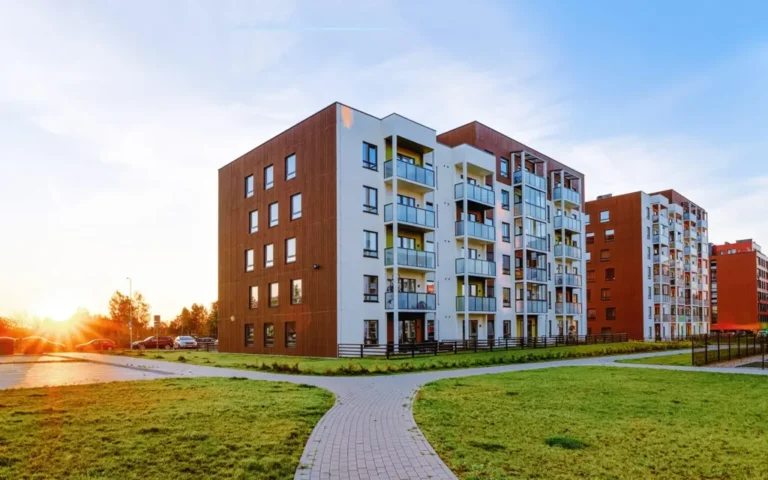




Right to Manage Insurance is tailored to leaseholders who have taken control of the management of a residential block under a Right to Manage agreement. This sort of policy, also known as RTM insurance, helps preserve the structure, social areas and shared obligations of a leasehold building.
The Right to Manage does not confer ownership of the freehold on leaseholders. Instead they assume many of the day-to-day management activities that were formerly performed by the freeholder or a managing agency. These duties may include organising repairs, looking after common parts of the property, collecting service charges and organising buildings insurance.
This means RTM insurance is often relevant to an RTM firm, rather than to an individual flat owner acting alone. However all leaseholders in the block have an interest in ensuring appropriate cover is arranged, maintained and evaluated periodically.
Right to Manage: What it is?
Right to Manage is a legal mechanism that permits leaseholders in some blocks of flats who qualify to take over the management of their property. The freeholder still owns the building but the RTM firm will take care of the day-to-day running.
Under the Right to Manage leaseholders do not generally have to prove the current management is bad to exercise the Right to Manage. They may desire to take control because they want more say in choices, better control over maintenance or more influence over how service costs are spent.
Usually, an RTM firm is set up exclusively to manage the building. The Right to Manage is acquired and the corporation then takes over important functions that relate to the premises. These may include services, repairs, maintenance, renovations, insurance and general management.
RTM insurance is consequently a significant element in the company’s responsibility. Ownership remains with the freeholder but the RTM company has to make sure that the building is insured correctly, according to the leases and the demands of the property.
Who can provide RTM insurance?
Normally the RTM business will arrange the buildings policy when the Right to Manage has transferred. This implies the company should specify the insurance requirements for the building, seek adequate quotes, examine the terms of the policy and guarantee the protection stays in place.
This process can be handled by the company itself or a professional managing agent can be appointed to help with the administration. The RTM firm should be aware of its responsibilities even where an agent is engaged. The appointment of an agent should not imply that there is no need to monitor the policy.
Thus RTM insurance is ideal for:
RTM firms running blocks of leasehold flats.
Leaseholders who have taken over the Right to Manage.
Directors or members of an RTM firm tasked with procuring cover for buildings.
Managing agents appointed by an RTM company.
Blocks of flats where the management company insists on one policy for the whole block.
RTM insurance for the entire building would not normally be arranged by an individual leaseholder. Their own duties are likely to be contents insurance, liability protection for personal activities and any other cover required under their lease.
RTM insurance covers what, exactly?
The specific coverage of RTM insurance depends on the policy and on the building that is being insured. The policy is usually designed to cover the structure of the complex and its communal facilities rather than the contents of individual units.
Insured property may include external walls, roofs, floors, ceilings, foundations, interior structural parts and fittings permanently attached. Communal halls, staircases, entrances, lifts, corridors, shared utility rooms, bin stores etc are also common places to consider.
The risks covered often include fire, escape of water, storm damage, floods, malicious damage and impact. Depending on the policy wording and kind of occupancy, some plans may also include protection for alternative accommodation or loss of rent due to insured damage.
RTM insurance may also provide liability coverage for the administration of common areas. For instance, if an accident occurs in a shared corridor and the RTM business is said to have failed in its duties, adequate liability insurance can help with legal expenses and damages, subject to terms and exclusions.
The RTM firm should not assume that all policies provide equal protection. The amount of insurance you need might be affected by the kind of construction, location, age, occupancy, claims history and previous renovations to the structure.
Why is RTM insurance necessary?
“A lot of money in a block of flats is common.” If the building is badly damaged and the insurance is not enough, leaseholders could be left with huge repair bills. A solid RTM insurance policy mitigates this danger by helping to provide financial backing after an insured incident.
This policy also assists the RTM firm to fulfil its management duties. The lease agreement may demand that the building be insured, and the company must show that the policy offers adequate coverage. Lack of cover may lead to practical, financial and legal difficulties.
Insurance also supports the general running of the building. Mortgage lenders will want to see the building insured but leaseholders need to know that their houses and common areas will be renovated following a major incident. A simple event, without the right policy, might snowball into disputes over who should pay.
The RTM insurance is not just an administrative buy. It forms part of the greater system of protecting the building, preserving its value and managing the joint obligations of the leaseholders.
What kind of buildings qualify?
Right to Manage is normally for eligible blocks of flats not for ordinary houses. The property has to be a self-contained building or a self-contained section of a bigger building in general. And it must have at least two units owned by suitable renters.
A qualifying tenant is usually a leaseholder with an original lease awarded for more than 21 years. The RTM company must normally have at least two-thirds of the flats owned by qualifying tenants and usually at least half the flats must be represented in the RTM company before it can take over management.
The building must also be predominantly residential. The new standards permit a higher proportion of non-residential space than the old rules, although if a property has a significant amount of stores, offices or other commercial space it may not qualify. Other exclusions may be some structures with a resident freeholder, some smaller converted residences and buildings associated with local housing authority.
These eligibility standards are important when considering RTM insurance because the structure and ownership of a building can have an impact on the Right to Manage procedure and the type of cover needed. For example, a mixed-use building may require insurers to assess commercial activity, public access and distinct liability risks.
What should be insured in the RTM company?
So first, the RTM business has to look at the leases and work out exactly what its responsibilities are. The policy should usually cover the whole building and not just the individual apartments that are part of the RTM arrangement.
Reinstatement value is extremely essential. This is the expected cost of rebuilding the property following a total loss and includes required professional fees, demolition, debris removal and compliance with current building rules where appropriate. This is not the same as the market worth of the building.
If the reinstatement value is set too low then the policy may not offer enough monies to carry out the works required. If the insurer uses an average condition, under-insurance might also impair the payment for a partial claim. A professional valuation may thus be helpful, particularly in the case of older buildings, odd constructions or properties with costly architectural aspects.
Where appropriate the RTM company should additionally consider communal contents, machinery, empty flats, subsidence, terrorism, legal fees and employers’ liability. Not every structure need every addition, but every danger needs to be evaluated rather than dismissed.
What is the impact of RTM insurance on leaseholders?
The cost of RTM insurance is typically considered a shared building cost. The RTM company can organise the policy and reclaim the cost from leaseholders through the service charge, under the conditions of the leases.
“Block policy covers certain things, but leaseholders need to know what they need to insure themselves for. RTM insurance will usually cover the structure and fixed fixtures, but it wouldn’t often cover furniture, clothing, personal devices or other goods within an apartment.
Leaseholders may also require their own contents cover and personal liability cover. If you let out a flat you may need to take out extra landlord cover. Tenants are responsible for their own contents insurance, the building coverage does not usually cover their items.
Disputes can be avoided with good communication. The company offering the RTM should describe the key characteristics of the policy, the premium, the claims process and any essential exclusions.” “Leaseholders should also report any damage promptly and comply with any reasonable requirements in the policy.
What if someone makes a claim?
Usually the policyholder will be the RTM business, which will handle claims that damage the common parts of the building. You may need to alert the insurance, provide details of the occurrence, arrange access for surveyors, and allow repairs.
A clear approach is vital, especially where there are leaks of water, fire or storm damage to a number of units. The company must maintain records of correspondence, pictures, invoices and repair choices. It should also contact affected leaseholders, but without making any assurances of insurance until the insurer has examined the claim.
The leases for individual leaseholders may specify additional responsibilities. For example, a leaseholder could have to pay an excess specified under the insurance or report damage that has occurred within their flat. “Before deciding how to allocate the costs, the RTM company should consider the terms of the policy and the lease.”
If a claim is serious, in dispute or likely to involve a number of parties, professional guidance may be useful. Prompt response can help limit future damage, and assist maintain an accurate record of what happened.
Is RTM insurance for all leaseholders?
RTM insurance is not a standalone solution for all other property insurance. It is primarily intended to protect the shared building in an RTM arrangement. It will not normally be a substitute for contents insurance, landlord insurance or specialist cover for particular circumstances.
Neither is it automatically suitable just because a property is leased. The Right to Manage is generally obtained and the RTM business will need to organise the insurance for the building. Before buying cover, the company should check who is responsible under the leases and whether the transfer has taken place formally.
If the buildings policy is still arranged by the freeholder or another party, the RTM firm shall not organise any overlapping cover without examining the existing arrangements. Having duplicate insurance can generate uncertainty around claims and can lead to excessive spending.
How to choose the right RTM insurance
The most appropriate RTM insurance will mirror the real building structure, use and obligations. The corporation should offer accurate information on the number of flats, materials used in construction, occupancy, commercial areas, security measures, claims previously made and any significant concerns.
The policy is evaluated anytime the building changes. Extensions, conversions, roof works, revisions to cladding, new shared equipment or changes in occupation may impact on the level of cover needed. The valuation for reinstatement should be reassessed periodically to ensure that inflation and changes in building costs do not leave the property under-insured.
Ultimately, RTM insurance is for the mutual protection of a leasehold block and those responsible for administering it. An RTM company can help safeguard leaseholders from the financial fallout of serious damage and achieve its wider management duties by putting in place sufficient building protection, maintaining correct records and evaluating the policy on a regular basis.