




Start with a short, honest audit
Most people already own scents they enjoy; the difference between a so‑so experience and a reliably pleasing one often comes down to small habits. Begin by taking five minutes to survey what you own: note the format (spray, roll‑on, oil), the size and where each bottle lives. Ask yourself which scents you reach for in different situations — work, social evenings, weekend relaxation — and which bottles are rarely used. Include any decants or minis in that inventory so nothing gets overlooked. This quick audit clarifies whether you need new purchases or simply better organisation and application. The goal is improvement by refinement, not replacement.
Practical storage changes to extend life and scent quality
Fragrances are living blends that respond to light, heat and oxygen. You do not need an elaborate system to protect them: a cool, dark cupboard or drawer is usually sufficient and much better than leaving bottles on a sunny dressing table. Keep most of your bottles upright to reduce cap wear and slow evaporation. Reserve flattering lighting for display items and rotate bottles a few times a year so nothing stagnates at the back of a shelf.
For longer preservation, use the original boxes where possible as an extra shield against light and temperature fluctuation. Aim for a stable spot away from radiators, windows and humid bathrooms; while refrigerators are occasionally recommended for very old or delicate bottles, this is rarely necessary for the average modern perfume and can introduce moisture. For larger collections, group everyday, seasonal and special‑occasion scents separately to make choices quicker and to reduce unnecessary handling.
Refine application so your scents work as intended
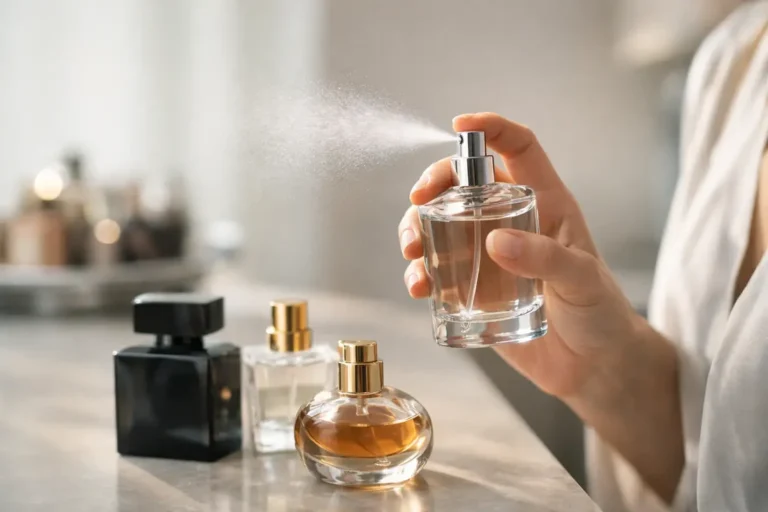
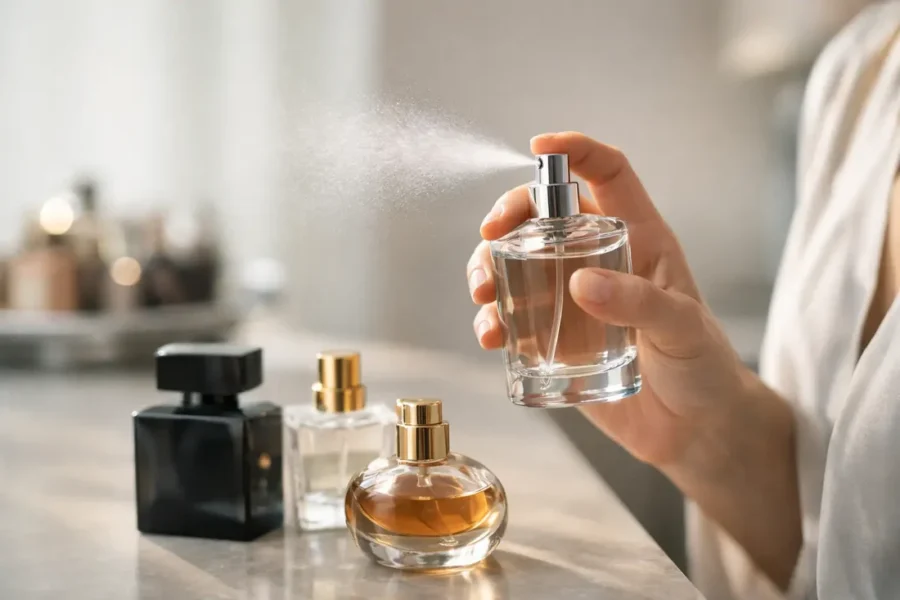
A few simple changes to how you apply scent can transform how it performs. Start with clean skin; moisturised skin holds scent better than dry skin, so a neutral, unscented moisturiser on pulse points makes a noticeable difference. Spray or apply from a sensible distance — for sprays, 10–15cm gives even coverage without overwhelming; for oils, a light touch on pulse points is usually enough. Avoid rubbing wrists together, which can flatten top notes; instead, allow the scent to dry naturally.
Think about where you apply fragrance: the sides of your neck, behind the ears, the inner elbows and the chest create differing sillage and longevity. Hair holds scent well, but apply sparingly or use a hair mist to avoid drying or staining. If you want controlled projection, a single spritz to clothing (on a scarf or the inner lining of a coat) can extend presence without being overpowering — but be mindful of delicate fabrics.
Decanting and atomisers: convenience without compromising quality
Decanting is one of the easiest ways to make a current set‑up more flexible. A small, well‑made atomiser lets you carry a favourite scent without risking the main bottle and keeps your routine consistent when travelling. Choose decant bottles with good seals and avoid overfilling to reduce pressure on the sprayer. Label decants clearly and keep the original bottle at home for top‑ups. For those who alternate scents during the week, a few labelled decants on a tray make morning choices simpler and protect the integrity of your full bottles. For further context, see fragrance.
Use your collection more deliberately
If you want to expand selectively, try purchasing single samples or travel sizes and keep a shortlist of scents you enjoy; this focused approach turns any modest collection into a toolbox of fragrance without adding clutter. Sampling first reduces impulse buys and gives you a chance to experience how a scent wears through the day. When you decide a new full bottle is warranted, consider the concentration and format — a concentrated oil or parfum can be more economical in the long run for daily favourites, while lighter eaux suit casual use.
Layering and pairing: build complexity from what you already own
Layering is a gentle way to refresh an existing setup. Start with complementary base notes: a woody or musky base allows a lighter floral or citrus top to behave differently, giving a favourite bottle renewed versatility. Test combinations on blotters before applying to skin; simple matches often work best. You can also pair a subtle body lotion or hair mist in a neutral or matching scent family to extend wear time and create a cohesive effect without extra sprays. The intent is to make your current pieces more adaptable, not to mask them.
Match scent choice to wardrobe and routine
Making an existing routine work better means aligning scent with daily life. Keep one or two dependable options near the morning station for fast choices — a crisp, clean scent for workdays and a softer, warmer option for weekends, for example. Store evening or statement fragrances near your going‑out items so they’re top of mind when preparing. Over time, this reduces decision fatigue: a small, intentional set linked to your actual outfits and activities makes you reach for the right bottle every time.
Smart sampling and shopping habits that protect your collection
Even with a tight routine, occasional additions can refresh your roster. Rather than buying an unfamiliar full bottle, seek out samples, discovery sets or refillable travel sizes. Compare concentrations rather than brand names — an eau de parfum will often give a different experience to an eau de toilette of the same blend. Keep a short record of samples you like and why (notes you noticed, longevity on skin, best time to wear) so future choices build on what actually worked. This approach keeps new purchases thoughtful and complementary to what you already own.
Travel and maintenance: small rituals that preserve scent quality
Travel is when an improved set‑up shows its value. Decants, sturdy atomisers and labelled samples tidy a suitcase and prevent leaks. Pack bottles upright and around soft items to cushion them. Remember airline liquid restrictions when flying — keep travel sizes compliant and place them in a clear bag as required. At home, wipe bottle necks and caps occasionally to prevent sticky build‑up and check seals on older bottles. A brief twice‑yearly tidy of your collection — discarding or gifting items you never use — keeps choices fresh and prevents the accumulation of near‑empty, underperforming bottles.
A small routine that pays back every day
Improving an existing fragrance setup is less about dramatic overhaul and more about consistent, sensible habits: sensible storage, deliberate application, strategic decants, thoughtful layering and selective sampling. These adjustments demand little time or expense but reliably improve daily outcomes — scents last longer, choices become quicker and each bottle offers more value. For most people, a modest, well‑organised rotation provides more satisfaction than a crowded collection. Treat your routine as an evolving toolkit, and you’ll find better results from what you already own.
Final note: keep it personal and practical
Small, repeatable tweaks let you enjoy scent with less fuss. Experiment within reason, make decisions based on real wear rather than impulse, and remember that consistency often beats variety in terms of satisfaction. With a few practical changes you can make your current setup feel newer, better organised and far more useful in everyday life.