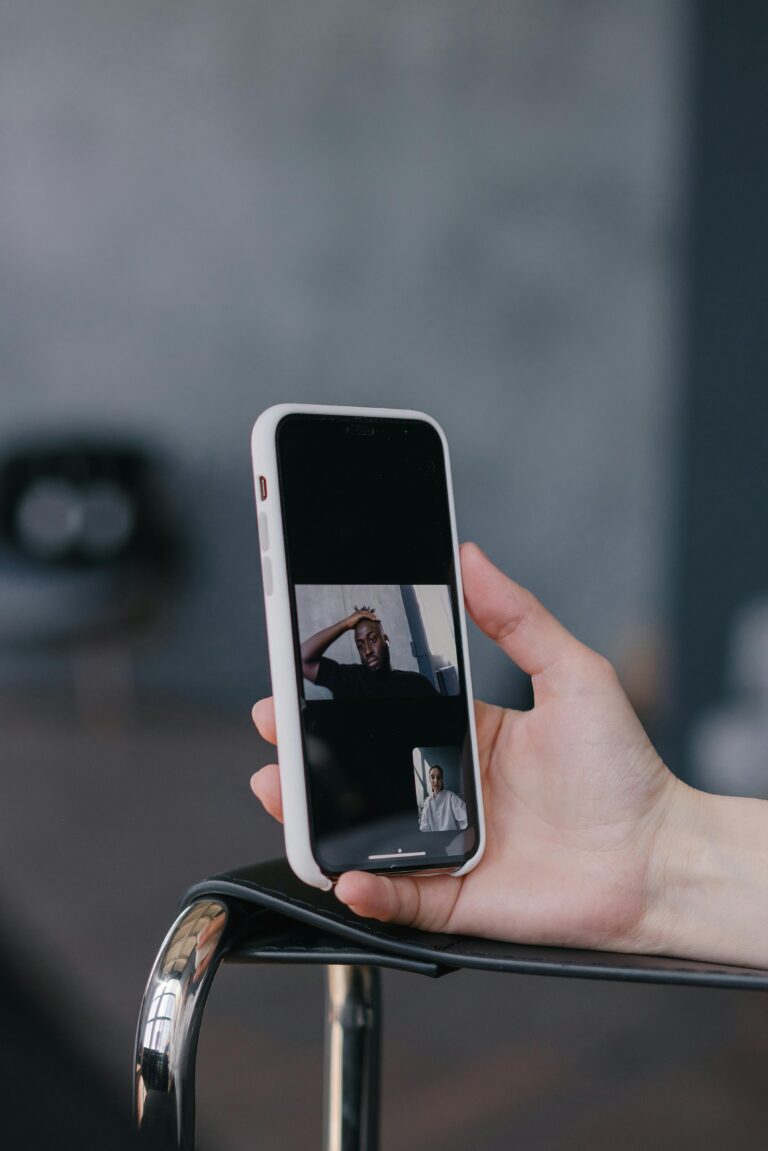




In recent years, the landscape of mental health support has changed a lot. New options for people to get the therapeutic care they need have opened up thanks to changes in technology and social attitudes. One of these changes is that people can now talk to a therapist over the phone. This is a real alternative to traditional face-to-face counselling that appeals to a wide range of people who find this type of therapy works best for their needs, preferences, and circumstances. Understanding why so many people choose to speak with a therapist by phone instead of in person can help us learn more about accessibility, comfort, effectiveness, and the many ways that different people get the most out of mental health treatment.
Freedom of movement and access
One of the best things about talking to a therapist over the phone is that it makes it much easier for individuals to get in touch with them. For people who live in rural areas, small towns, or places where mental health services are hard to get, being able to talk to a therapist over the phone opens doors that might not otherwise be open. People can get professional care from the comfort of their own homes instead of having to travel long distances to see a competent therapist. This saves time, money, and the practical problems that keep many people from getting the help they really need.
This freedom of movement goes beyond just helping people in rural areas. Even in cities where there are a lot of therapeutic services, some specialities or approaches may be hard to discover. This makes it hard to identify therapists who are experts in specific problems, cultural backgrounds, or therapeutic methods. When you can talk to a therapist over the phone, you may choose from professionals all over the country, not just those in your area. This greatly increases your chances of choosing a therapist whose skills, approach, and personality really fit your needs. This wider access is especially useful for those who are suffering with certain problems, such as certain types of trauma, eating disorders, or less common mental health concerns where having a specialist’s knowledge can make a big difference in how well therapy works.
Flexibility in scheduling and saving time
People with busy schedules, variable work hours, or complicated caregiving duties that make it hard to go to regular in-person visits really like the option of talking to a therapist via phone. Phone sessions fit better into busy lifestyles since you don’t have to worry about travel time, parking, or being physically present at a therapist’s office. This makes it easier to keep up the regularity that good therapy needs. Someone might call a therapist during their lunch break, between meetings, or after putting the kids to bed, which are times when they wouldn’t have time to go to and from an office.
This time-saving feature gets rid of one of the most common reasons people don’t seek or keep getting therapy. A lot of people who could really utilise therapy never start or stop it early because they think they can’t fit regular appointments into their lives. The ability to talk to a therapist over the phone gets rid of these practical problems, making treatment truly available to people who might not otherwise be able to participate. For parents, shift workers, carers, and professionals with variable schedules, being able to talk to a therapist on the phone changes treatment from an unrealistic luxury into a long-term commitment they can keep.
Less Stress and More Comfort
For a lot of people, especially those with social anxiety, agoraphobia, or other disorders that make it hard to leave the house, being able to talk to a therapist over the phone is a huge comfort that makes therapy possible in the first place. People can talk to a therapist on the phone from the comfort of their own home, which is a secure and familiar place. This makes it easier for them to be open and honest than in a clinical setting or an office they don’t know. This ambient comfort frequently leads to better therapy because clients feel more at ease and can talk about tough feelings and experiences without the extra stress that new places might bring.
For other people, the fact that they feel less intense when they talk to a therapist over the phone instead of in person might actually help them do deeper work. Some clients find it easier to talk about unpleasant, embarrassing, or very intimate things when they don’t have to worry about making eye contact or dealing with the physical mechanics of sharing space with someone else. The phone creates a soft barrier that, strangely enough, makes those who might find in-person sessions too much or too hard to be more open and honest. This doesn’t mean that phone therapy seems impersonal or remote; in fact, it gives some people the level of connection they need to undertake therapeutic work.
Privacy and Secrecy
Many people would rather talk to a therapist on the phone than go to counselling centers or therapists’ offices where they can be seen. This is because they value their privacy. People who are worried about stigma, their professional reputation, or just want to keep their therapy private can find phone therapy to be quite useful. You won’t run into coworkers, neighbours, or acquaintances in waiting rooms, you won’t have to explain regular appointments to coworkers who are curious, and there won’t be any apparent signs that you went to therapy that might make people ask questions or make guesses.
This privacy extends to persons who live in small towns where it might be hard to keep mental health support private when therapist visits are visible to other people. Being able to talk to a therapist on the phone from a quiet place makes sure that everything is kept private. This removes the barriers that keep many people from getting assistance because they are afraid of privacy breaches or social censure. For young people who still live with family, professionals in sensitive positions, or anyone who wants to keep their mental health support completely private, being able to talk to a therapist over the phone is an important way to maintain their privacy.
Things to think about for your physical health and mobility
People with chronic diseases, physical disabilities, or limited mobility often find that being able to talk to a therapist over the phone makes it easier to get the help they need on a regular basis. individuals with specific health problems may not be able to handle the energy needed to get ready for, travel to, and attend in-person appointments. For example, wheelchair access, chronic pain, or diseases that make individuals tired may make it very hard for them to go in person.
People can get mental health help over the phone, which is easier for them than going to see a therapist in person. This is especially essential since people with long-term health problems typically need psychological support to deal with the emotional effects of their predicament, yet they have the most trouble getting to traditional treatment. Phone therapy is available to everyone, no matter their physical abilities or health situation, so everyone may get the mental health help they need.
Financially Accessible
Not everyone can afford therapy, but choosing to talk to a therapist over the phone can save money for many people. For regular therapy, you don’t have to pay for travel, parking, or time off work, which lowers the entire cost. Some therapists provide phone sessions at a lower charge than in-person sessions since they have lower overhead costs. However, this varies a lot from one therapist to the next.
For someone on a tight budget, these savings can mean the difference between being able to afford regular therapy and not getting any help at all. For some people, being able to talk to a therapist on the phone can mean that they can keep their weekly sessions instead of having to go every other week. This would be better for their therapy and help them save money.
Continuity During Changes in Life
People move for employment, school, or personal reasons all the time, which can make it hard to keep therapeutic connections going. The option to talk to a therapist over the phone means that therapy can continue even if you move, so people can keep in touch with therapists they trust and work well with no matter where they are. This continuity is especially helpful during times of change, which is when therapeutic assistance is typically most helpful.
People who are going through big life changes, like students moving between university and family homes, professionals on temporary assignments, or anyone else, can keep talking to their therapist by phone during these times of change. This way, they can keep the stability and support that established therapeutic relationships give them during times that would otherwise be very stressful.
The Legacy of the Pandemic and Normalisation
The epidemic made remote therapy services normal over the world. Many people found that talking to a therapist by phone or video worked remarkably well for them. This extensive use of remote therapy changed the idea that effective treatment needed to take place in person. Both clients and therapists found that significant therapeutic work may happen in remote forms. A lot of people who tried phone therapy because they had to found that they liked it better and kept talking to a therapist by phone even after they could see them in person again.
Verbal Communication That Is Focused
Some people feel that talking to a therapist on the phone makes their therapy better because they only have to talk. Without any visible cues or bodily interactions to deal with, both the client and the therapist focus only on the words, tone, and emotional content of the talk. This kind of focused conversation is good for those who mostly process their experiences by talking and find that talking on the phone is a natural and useful way to explore their thoughts and feelings.
In conclusion
People choose to talk to a therapist over the phone because they have different requirements, wants, and situations that make this type of therapy the best option for them. Phone therapy is not a compromise or second-best option; it has several benefits that make it the ideal alternative for many people who find it easier, more comfortable, more effective, and more suited to their lives than traditional face-to-face sessions. By understanding and respecting the different reasons why people choose to talk to a therapist over the phone, we can see phone therapy as a useful and valid way to get mental health help for people who might not otherwise get it, as well as a good option for people who just find this method works best for them.