





In a society where there are a lot of things to do, being able to tell the difference between what is really important and what only seems urgent is a critical skill. The Eisenhower Matrix, a powerful decision-making tool created by former US President Dwight D. Eisenhower, gives you a systematic way to deal with this problem. This tried-and-true strategy has helped millions of individuals around the world get their tasks done more efficiently, which has led to higher productivity and less stress.
The Eisenhower Matrix is based on a simple idea that Eisenhower himself said: “What is important is seldom urgent, and what is urgent is seldom important.” This deep insight is the foundation of the whole system. It goes against our natural desire to respond right away to urgent requests while ignoring things that will help us in the long run. When you use the Eisenhower Matrix every day, you start to see chores as more than just things on a to-do list. You see them as choices that will affect your future.
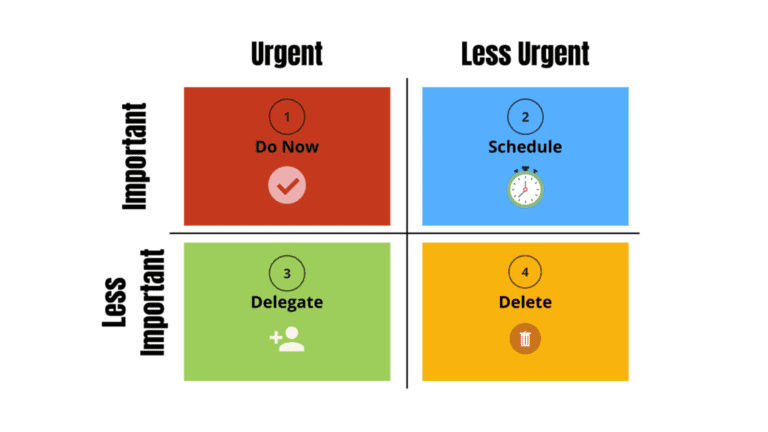
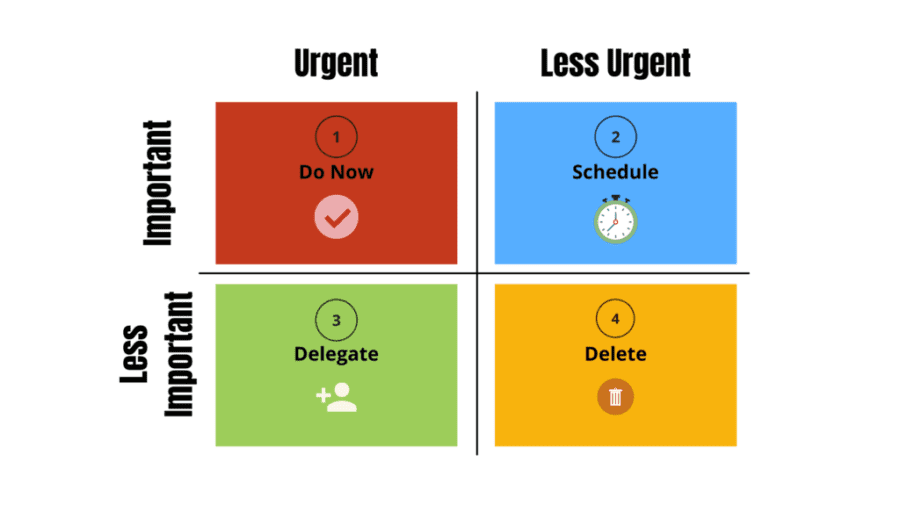
The Eisenhower Matrix breaks down all tasks and activities into four groups based on two factors: how important they are and how urgent they are. The first quadrant of the Eisenhower Matrix has tasks that are both critical and time-sensitive. These are real crises, emergencies, and projects that need to be done right away because they have a deadline. Even though these events can’t be completely avoided, the idea is to spend less time in this quadrant by planning and preventing better.
The second quadrant of the Eisenhower Matrix has tasks that are significant but don’t need to be done right away. This is the best place to be productive, where you can do things like strategic thinking, planning, creating relationships, and personal growth. Many productivity experts say that spending more time in this part of the Eisenhower Matrix leads to the biggest improvements in both work and personal life. These things often stop future crises and are a big part of long-term success.
The Eisenhower Matrix moves to the third quadrant to find tasks that are essential but not urgent. These things make it look like you’re getting things done, but they’re really just getting in the way of doing real work. This includes phone calls, interruptions, occasional meetings, and a lot of other office work. The Eisenhower Matrix says that you should delegate these chores whenever you can so that you can focus on things that are more in line with your goals and responsibilities.
The last and fourth part of the Eisenhower Matrix has things to do that are not important or urgent. These things that squander time are too much time spent on social media, surfing the web aimlessly, doing things that don’t matter, and other ways of putting things off. The Eisenhower Matrix says to stop doing these things completely because they don’t help you reach your goals and often make you feel unproductive and unhappy.
It is only the beginning to understand the Eisenhower Matrix’s theoretical structure; to use it successfully, you need to learn how to correctly categorise activities and fight the psychological constraints that make you prioritise poorly. At first, a lot of individuals have trouble with the Eisenhower Matrix because they put things in the wrong categories. For example, they could make things that are important but not time-sensitive seem more urgent than they really are, or they might treat things that are not important but urgent as if they are critical to their success.
One of the best things about using the Eisenhower Matrix all the time is that it helps you think ahead. You stop reacting to outside pressures and expectations all the time and start looking for problems and chances. This lets you spend more time on strategic and preventive actions. This change in thinking frequently leads to fewer real emergencies since problems are dealt with before they get out of hand.
The Eisenhower Matrix is also very useful in the workplace, where competing objectives and stakeholder demands can make work too hard to handle. Using this approach will help you talk to your boss and coworkers more clearly about what tasks are most important and how to best use resources and manage timelines. The Eisenhower Matrix gives us a way to talk about priorities that goes beyond what we like and focuses on facts.
The Eisenhower Matrix is even more important for leaders since it helps them decide who to delegate tasks to and how to coach their team members. Leaders who know how to use this framework may better tell which jobs need their direct attention and which can be handled well by others. Also, introducing the Eisenhower Matrix to everyone on the team helps everyone grasp what is most important and makes the team work better overall.
The digital age makes it hard to use the Eisenhower Matrix since technology has made it hard to tell the difference between urgent and significant messages. Email alerts, instant messaging, and social media updates make things seem more urgent than they really are, which can make it hard to concentrate on crucial tasks. To use the Eisenhower Matrix successfully in today’s world, you often need to set explicit rules about how to use technology and communicate.
When people don’t use the Eisenhower Matrix correctly, personal development activities are one of the most common things they forget to do. In general, exercise, learning new things, making friends, and doing hobbies are all vital but not imperative. Without the disciplined thinking that the Eisenhower Matrix gives, people typically put off these chores in favour of more urgent but less important ones.
Using the Eisenhower Matrix consistently has effects that go far beyond just managing tasks. When people put more energy into activities that are in line with their values and aspirations, they often say they have a better work-life balance, less stress, and a greater sense of success. The framework makes you think about what really important on a regular basis, which helps you make more thoughtful choices in all areas of your life.
Some people who don’t like the Eisenhower Matrix say that not all tasks can be easily grouped together and that the framework makes complicated priority choices too simple. But supporters say that even if the Eisenhower Matrix doesn’t work perfectly, it still leads to better results than making judgements based only on feelings or outside pressure.
Many people who use the Eisenhower Matrix say that it works best when it is reviewed regularly and the classifications of tasks are changed as needed. The Eisenhower Matrix should be seen as a flexible tool rather than a fixed system because what is important today may not be as important tomorrow.
The fact that the Eisenhower Matrix is still popular shows that it is useful and can be used in many various sectors, positions, and personal situations. The basic ideas of the Eisenhower Matrix can be changed to fit your needs, whether you are a busy executive in charge of many projects, a student trying to combine school and social life, or just someone who wants to have a better work-life balance.
The Eisenhower Matrix is more than simply another way to be productive; it is a way of living that values substance above activity. By using this framework regularly, you will learn how to tell the difference between being busy and being productive. This will make you happier and more successful in both your career and personal life. The Eisenhower Matrix is a simple but powerful tool that has been used for decades. It is a timeless way to deal with one of humanity’s biggest problems: how to make the most of our limited time.