





Environmental considerations are progressively influencing development projects throughout the United Kingdom. Ecological surveys have become an indispensable component of the planning application process as local authorities and planning bodies prioritise the preservation of natural habitats and biodiversity. Ecological surveys are essential for ensuring that prospective environmental impacts are accurately assessed prior to the commencement of development, regardless of whether the proposal pertains to housing, commercial property, infrastructure, or land use changes.
Ecological surveys are essential for obtaining information regarding the flora, animals, and habitats that are present on a given site. These ecological surveys enable environmental professionals, developers, and planners to evaluate the potential impact of a proposed development on the local ecosystem. Ecological surveys facilitate the formulation of informed decisions that effectively balance environmental protection with development requirements by identifying protected species, priority habitats, and ecological networks.
The increasing significance of ecological surveys is indicative of broader national commitments to sustainable land use and biodiversity conservation. Ecological surveys are instrumental in guaranteeing that development proposals adhere to environmental legislation and planning policy within the United Kingdom’s planning system. If ecological hazards are identified too late in the process, projects may be subject to delays, redesigns, or even refusal. This is due to the absence of comprehensive ecological surveys.
Ecological surveys are frequently commissioned during the initial phases of a development proposal to establish baseline environmental conditions. Typically, these preliminary ecological surveys entail a habitat assessment that identifies key ecological features throughout the site. Ecological surveys of this nature offer a comprehensive examination of the environmental characteristics that may be conducive to the existence of wildlife, including habitats, vegetation varieties, and water features.
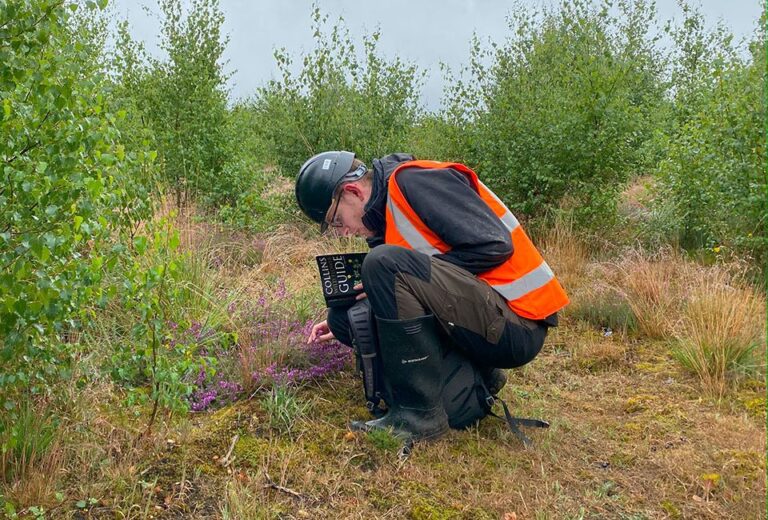
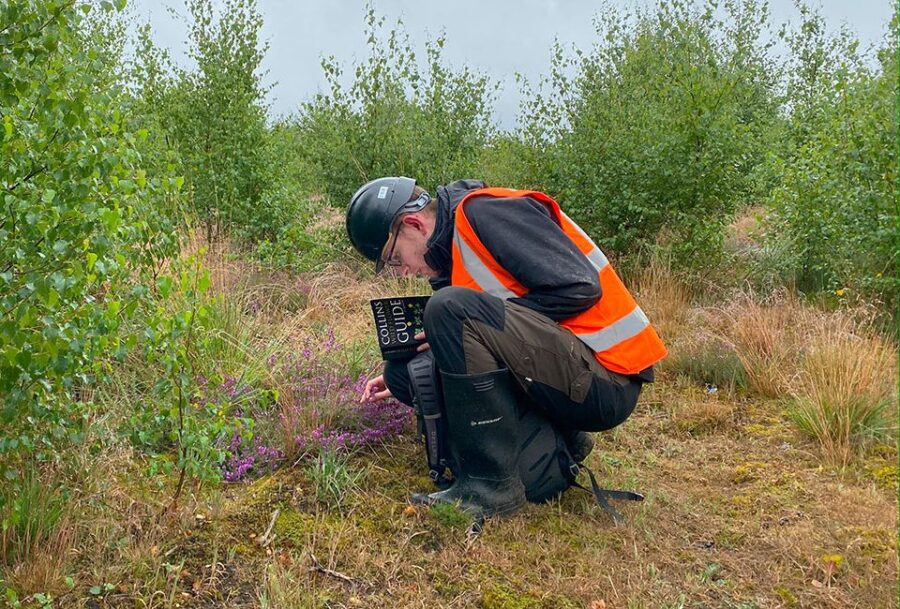
The preliminary ecological appraisal is a common format for initial ecological surveys. During these ecological surveys, seasoned ecologists visit the site to document habitats and search for evidence of protected species or suitable conditions that could support them. The results of these ecological surveys are used to ascertain the necessity of additional detailed surveys and to inform the design of the development proposal.
When a site includes features such as woodland, grassland, wetlands, hedgerows, or watercourses, ecological surveys are especially essential. These habitats are capable of supporting a diverse array of species, including those that are legally protected. Ecological surveys evaluate the ecological value of these habitats by conducting meticulous observations and data collection. This information is essential for assessing the potential impact of development on biodiversity.
Ecological surveys frequently disclose the existence or prospective existence of protected species. Specific ecological surveys are frequently necessary to ascertain the status of species such as bats, great crested newts, reptiles, reproductive birds, and badgers on a given site. These ecological surveys are typically conducted during specific seasons when species are at their most active, thereby guaranteeing the accuracy and reliability of the survey results.
Consequently, ecological surveys are significantly influenced by timing. Ecological surveys must frequently be organised in advance due to the fact that numerous species can only be effectively surveyed during specific seasons. For instance, bat activity surveys are typically conducted during the warmer months, whereas great crested newt surveys are typically conducted in the spring. Delays in the planning process can be prevented by scheduling ecological surveys appropriately.
The results of ecological surveys are directly incorporated into the planning documentation that is submitted to local authorities. The habitats, species, and potential impacts of development are all explicated in the reports generated by ecological surveys. Additionally, these ecological surveys contain suggestions for mitigating or preventing ecological damage. This information enables planning officers to assess the environmental implications in conjunction with other planning considerations.
The concept of biodiversity net gain, which is becoming more and more ingrained in planning policy, is also supported by ecological surveys. This principle dictates that biodiversity should be improved by development. Ecological surveys offer the foundational information required to quantify ecological value and determine potential gains or losses. It is impossible to ascertain whether biodiversity net gain has been attained in the absence of precise ecological surveys.
Another significant result of ecological surveys is mitigation. Mitigation strategies are frequently necessary when ecological surveys identify species or habitats that may be impacted by development. These measures may entail the establishment of new habitats on the site, the imposition of temporal restrictions on construction activities, or the preservation of habitats. To ensure that these measures are successful, ecological surveys are used to design them.
Changes in the design of a proposed development may result from ecological surveys in certain circumstances. For example, ecological surveys may indicate that a specific region of the location is home to significant wildlife activity or valuable habitat. Subsequently, developers may modify landscaping plans, access routes, or building layouts to mitigate or prevent adverse effects. Ecological surveys facilitate the integration of environmental considerations into project design through this process.
Ecological surveys are not restricted to the identification of issues; they can also emphasise opportunities for ecological improvement. Ecological surveys have been used to inform the inclusion of wildlife-friendly features in numerous developments. These may encompass the establishment of wildflower grasslands, the installation of bird or bat cages, the restoration of hedgerows, or the improvement of ponds and wetlands. Ecological surveys contribute to healthier ecosystems by directing such improvements.
The significance of ecological surveys has been further emphasised by the substantial increase in public awareness of environmental issues in recent years. Communities and constituents frequently anticipate that developments will exhibit environmental accountability. Ecological surveys offer transparent evidence that environmental considerations have been appropriately evaluated and addressed.
During the assessment of planning applications, local planning authorities significantly rely on ecological surveys. Ecological surveys are reviewed by planning officers and ecological advisers to guarantee that proposed developments adhere to environmental legislation and planning policy. Authorities may request further information or necessitate modifications to the proposal if ecological surveys identify substantial ecological risks.
Yet another critical aspect of ecological surveys is their role in long-term environmental monitoring. The data acquired during ecological surveys contributes to the broader ecological understanding of the distribution of species and the conditions of their habitats. This information can be used to inform regional conservation strategies and support improved land management practices over time.
The integrity of ecological surveys is contingent upon the presence of professional expertise. Ecologists who have gained experience are capable of identifying habitats, interpreting wildlife evidence, and implementing suitable survey methodologies. Careful fieldwork, detailed recording, and straightforward reporting are essential for conducting accurate ecological surveys. Planners and decision-makers can rely on the reliable data that high-quality ecological surveys provide.
Ecological surveys are also being influenced by technological advancements. The efficiency and precision of ecological surveys can be improved by the use of contemporary instruments, including remote sensing, geographic information systems, and acoustic monitoring equipment. These technologies enable ecological surveys to acquire more detailed environmental data, despite the fact that traditional field observation remains indispensable.
The significance of ecological surveys in the planning process is also influenced by climate change. Habitats and species distributions may undergo modifications as environmental conditions evolve. Ecological surveys are instrumental in the identification of emergent ecological patterns and vulnerabilities, which enables developments to take into account the long-term environmental resilience.
Developers who incorporate ecological surveys at the outset of the planning process frequently experience more efficient project progression. Early ecological surveys assist in the identification of potential constraints prior to the finalisation of designs, thereby decreasing the probability of costly revisions in the future. Ecological surveys facilitate more effective project administration by providing information for site planning from the outset.
Ecological surveys are also instrumental in safeguarding legally designated sites and sensitive landscapes. Ecological surveys are instrumental in determining whether indirect effects, such as habitat fragmentation, pollution, or disturbance, may occur when development occurs in close proximity to protected areas. These ecological surveys guarantee that the broader ecological context beyond the development site is taken into consideration when making planning decisions.
Ecological surveys frequently result in constructive collaboration among environmental professionals, developers, and planners. Development proposals can be modified to align with both economic and ecological objectives through dialogue that is informed by ecological surveys. This collaborative approach facilitates the development of developments that concurrently satisfy human requirements and respect natural systems.
The planning system is increasingly acknowledging that thriving ecosystems offer valuable services to society. These encompass the enhancement of air quality, the creation of recreational areas, the storage of carbon, and the management of floods. Ecological surveys are effective in identifying the habitats that sustain these ecosystem services, thereby preventing development from undermining their benefits.
Ecological surveys are expected to become increasingly important in the context of planning decisions as environmental policy continues to evolve. Habitat connectivity, landscape-scale conservation, and nature recovery may be prioritised in future planning frameworks. The necessity of conducting comprehensive ecological surveys will persist in order to comprehend the extent to which individual developments are consistent with these overarching environmental objectives.
In summary, ecological surveys are an indispensable element of the planning application procedure in the United Kingdom. Ecological surveys furnish the evidence required to make responsible planning decisions by identifying habitats, recording species, and evaluating environmental impacts. These ecological surveys serve to safeguard biodiversity, ensure legal compliance, and direct sustainable development strategies.
Ecological surveys ensure that development is conducted in a manner that is respectful of the natural environment by utilising professional expertise and meticulous planning. Ecological surveys will continue to be a fundamental component of responsible land use and effective planning throughout the nation as the significance of biodiversity conservation increases.