






Even though they are commonplace on British roads, people tend to ignore the fact that vans are a prime target for thieves. Opportunistic and organised criminals equally target it due to its adaptability, carrying capacity, and the frequently costly things it conveys. Theft of a vehicle can have terrible emotional and financial effects, including but not limited to substantial monetary losses, interruption of company operations, and a deep feeling of uneasiness. Consequently, it is critical for every van owner to comprehend the significance of van protection and to adopt proactive security measures. Rather of spending time and money cleaning up after a theft, it is better to take proactive steps to stop theft from happening in the first place.
Van theft is an ever-changing scene. Criminals are getting more and better at what they do, and they’re using new strategies to get over old security systems. This calls for a tiered security strategy that tackles van protection from many angles, taking into account different weaknesses. In order to discourage would-be burglars, this calls for a mix of technology fixes, behavioural modifications, and physical security upgrades.
Physical security is an important part of vehicle protection. In this case, it’s not enough to just shut the doors. Strong locking systems, ideally with good resistance to picking and forced entry, are necessary. Think about switching to a deadlock system instead of the old-fashioned locking systems; it’s far more secure. Thieves may be dissuaded from targeting the vehicle if its structural integrity is reinforced. Some possible solutions include installing more security bars or bolstering weak points like windows and doors. The physical security of the vehicle is further fortified by the installation of top-notch, tamper-proof locks and hinges.
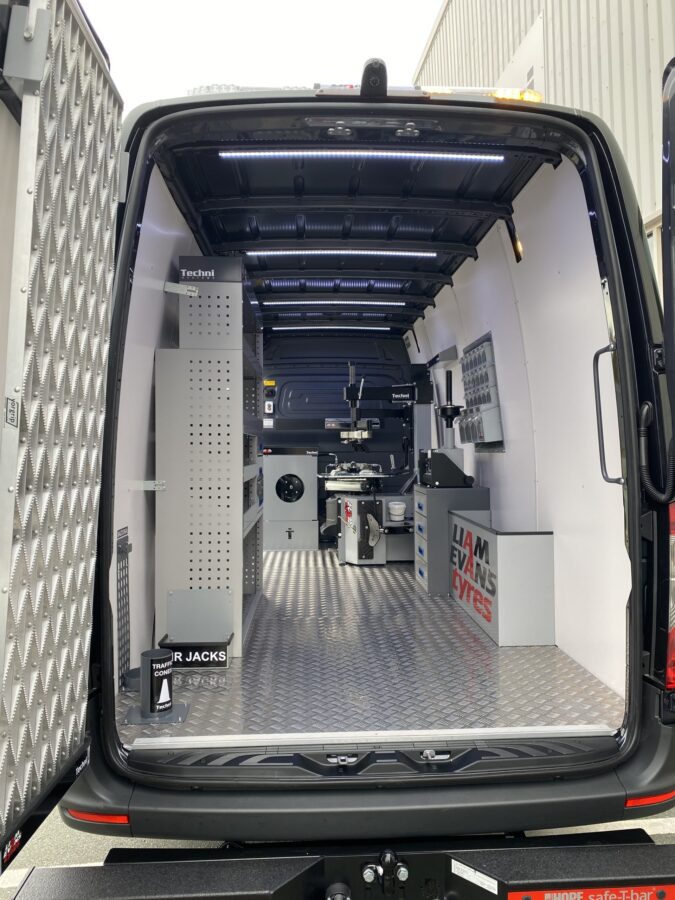
Securing the load should take precedence over physically strengthening the van. The majority of the time, thieves will target a van’s contents first. Hence, it is crucial to tighten the security and conceal the items as much as possible. The use of sturdy straps and the careful packing of all objects to make them impossible to remove are of the utmost importance. It will be far more difficult for burglars to swiftly seize goods if you use internal racking systems to arrange and secure the bulk. Since thieves typically act opportunistically, targeting easily accessible products, it is crucial to conceal expensive objects from sight as well. The safest course of action is to remove any important equipment from the van before leaving it overnight or while no one is around.
In today’s van security methods, technology is becoming more and more crucial. When trying to retrieve a stolen van, tracking devices—which are commonly combined with GPS technology—can be lifesavers. These gadgets covertly track the van’s whereabouts and can notify the owner or authorities of any suspicious activities, such moving the vehicle outside of specified zones or during odd hours. Another technological deterrent that works well is alarm systems. In addition to alerting people in the area to suspicious activities, a loud and conspicuous alarm can dissuade would-be criminals. To make sure the alarm goes off only when absolutely needed, the system should be interconnected with other sensors, such as those that detect motion or entry.
Additionally, cutting-edge security solutions may greatly improve vehicle protection. Thieves will be unable to use the van even if they get inside because immobilisers stop the engine from starting. Even if the van’s engine can be started, wheel clamps provide an additional degree of protection by physically stopping it from being driven away. Thanks to real-time updates and remote control capability, modern systems may combine numerous security elements. This means that owners can monitor the state of the vehicle and stop functions remotely if necessary.
Behavioural factors are just as important as physical and technological ones when it comes to protecting vans. Theft is less likely to occur when parking in heavily crowded, well-lit places. It is crucial to stay away from dark or secluded places, particularly at night. Vehicle security checks should be done on a regular basis and any suspicious behaviour should be reported to the authorities in order to reduce the likelihood of theft and make the environment a safer place. Simple but effective measures to discourage theft include maintaining heightened awareness of one’s surroundings and never leaving one’s vehicle unattended for long periods of time when valuables are inside.
A key component of efficient van security is raising awareness and educating the public. Crucial skills include familiarity with typical theft techniques, vulnerability identification, and risk mitigation strategies. Owners may stay ahead of the game when it comes to criminal tactics by keeping up with the newest security technology and best practices. Collective action to address the issue and promote a culture of proactive van security can be achieved via the sharing of information and experiences within the van-owning community. Everyone may enhance their van protection measures thanks to this collaborative method, which guarantees the exchange of beneficial ideas.
Van security is about more than just keeping the vehicle safe; it’s also about preserving the jobs and companies that depend on these vehicles. Lost revenue, tarnished reputation, and interrupted business operations are all part of the monetary fallout from a van theft that goes beyond just replacing the vehicle. The theft of a delivery vehicle can have disastrous effects for many local companies. In order to avoid substantial financial and operational losses, it is essential for businesses to engage in proactive van protection measures, rather than just taking sensible precautions.
In the end, it’s the van owner’s obligation to ensure the vehicle is protected. A strong security plan that incorporates physical, technical, and behavioural components must be implemented. Van owners may minimise the danger of theft and safeguard their precious possessions by implementing a proactive and multi-layered strategy. Keep in mind that the best way to safeguard your van and the business it supports is with a thorough and well-thought-out security plan. When it comes to van security, being proactive is considerably better than being reactive and waiting for a theft to happen. Avoiding problems altogether is more cost-effective than fixing them after the fact.
In order to keep vans safe from ever-changing dangers, security measures are always being fine-tuned. The key to keeping your vehicle secure is to stay watchful, aware, and proactive. Owners may greatly lessen the likelihood of theft and safeguard their prized possession by prioritising van security.