





Introduction: When Fabric Becomes Identity
At first glance, a soccer jersey is just fabric. Color, stitching, maybe a sponsor or two. But to the people who wear it, it’s something else entirely.
It’s a badge of honor. A second skin. A story sewn into every thread.
Behind every professional custom soccer jersey lies a world of thoughtful decisions, silent details, and hands-on craftsmanship that most fans never see. It’s not just about how it looks on game day—it’s about how it feels in motion, how it holds up under pressure, and how it reflects the soul of a team.
Designing a jersey isn’t just a creative process. It’s an act of precision, purpose, and pride. Let’s pull back the curtain.
1. The Journey Begins with Purpose—Not Patterns
Every great jersey starts with a question: What does this team stand for?
Before the first sketch is made, the best designers sit down with the club to understand its DNA. Are they a legacy team with decades of tradition? A scrappy startup club hungry to disrupt? A youth academy focused on development?
This foundational insight shapes everything—from the color scheme to the crest placement.
Real craftsmanship doesn’t begin with templates. It begins with intent.
2. Fabric Isn’t Just Fabric—It’s Engineering
A jersey isn’t made from just any material. The textile itself is a technology.
Factories use moisture-wicking polyesters, mesh paneling, and stretch zones designed to move with the body. Each panel is strategically placed to reduce friction, increase airflow, and provide durability where players need it most.
For example, the side vents under the arms? They’re not just aesthetic. They’re engineered to manage heat and sweat in high-intensity moments.
The choice between a lightweight knit and a more structured weave can affect not just comfort—but performance. It’s the difference between feeling fast and being fast.
3. Color Matching Is a Science, Not a Guess
Choosing your team colors? That’s the easy part. Getting them to print accurately on fabric? That’s the real challenge.
Screen colors often look different on textile. Add in lighting, sweat, and wear over time—and suddenly that bold red starts fading toward rust.
That’s why color calibration is a behind-the-scenes art. Designers use Pantone references, test swatches, and dye sublimation techniques to ensure consistency from concept to final stitch.
And yes—your “navy” might not be their navy. Precision matters.
4. The Cut Makes the Kit
Design is only half the story. The cut of the jersey determines how it performs.
Professional kits are tailored. Shorter in the front for agility. Slightly longer in the back to stay tucked. Raglan sleeves for freedom of movement. Tapered sides to reduce drag.
And fit isn’t one-size-fits-all. Forward, midfielder, keeper—they all move differently. The best designers take this into account, offering multiple cut styles based on position, gender, and body type.
A well-cut jersey doesn’t just look elite. It feels like it belongs there.
5. Stitching: The Unseen Signature of Quality
You won’t hear fans chant about the stitching. But they’d notice if it failed.
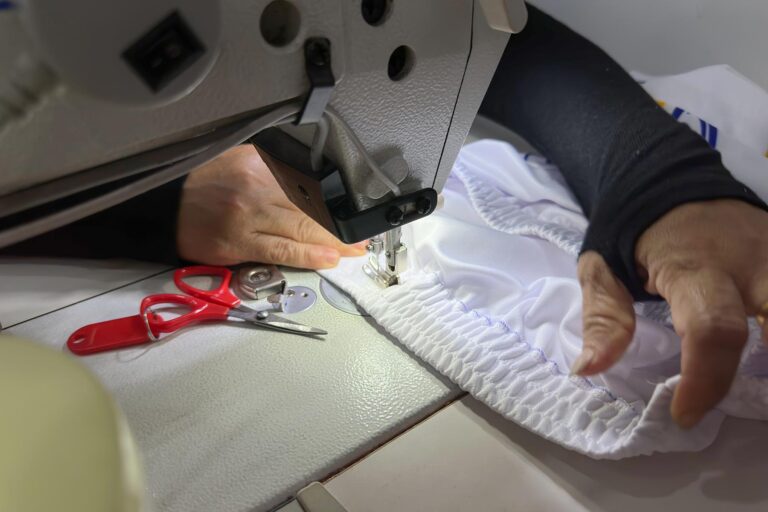
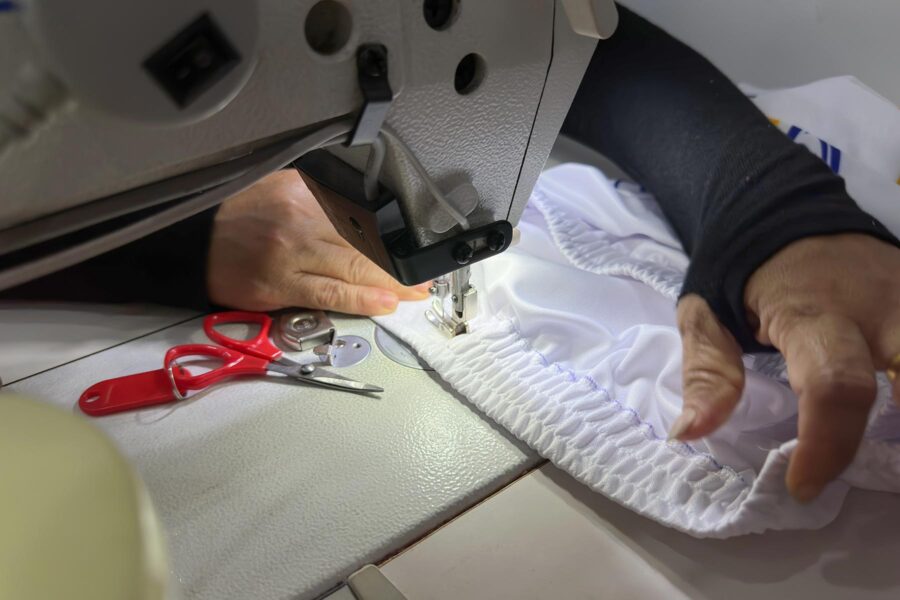
The threads that hold a jersey together are often overlooked—but they’re critical. Flatlock seams reduce chafing. Reinforced hems prevent fraying. Double-needle stitching adds durability without adding bulk.
And stitched crests? Those aren’t just old-school. They’re a nod to legacy. A tactile reminder that someone’s hands were involved in creating this piece of identity.
In a world of heat-press shortcuts, quality stitching is a mark of pride.
6. Details Make Legends
It’s the subtle things that make a jersey unforgettable.
Think about the inside collar of a world cup kit. A hidden quote. A stitched date. A symbol known only to the team. These micro-details aren’t just for show—they’re for meaning.
One club in the Midwest had its motto—“Earn Every Blade”—stitched on the inside hem. Players saw it as they pulled the kit on. It wasn’t visible to the opponent. But it meant everything to the team.
These easter eggs become rituals. And rituals become culture.
7. Printing That Lasts the Season (And Beyond)
A fading number. A peeling sponsor. A cracking crest. Nothing screams amateur like poor print quality.
In pro-level craftsmanship, printing isn’t an afterthought. It’s part of the blueprint.
Heat transfer vs. sublimation. Screen print vs. embroidery. Each method has pros and cons based on the fabric, usage, and design complexity.
For high-contact areas like numbers and names, durability is key. Sublimation offers longevity. But embroidery adds texture and prestige—especially for crests and patches.
The best designers don’t just ask, “How does this look?” They ask, “How will this wear?”
8. The Crest: Small Space, Big Responsibility
The crest is sacred. It’s the emblem of everything your team represents. And it’s the most emotionally charged element on any jersey.
Which makes its placement, size, and style a big decision.
Should it be embroidered or heat-sealed? Traditional or modernized? Monochrome or full color?
Some clubs opt for minimalist crests that reflect a new era. Others stick with ornate, legacy-style shields that nod to tradition.
Either way, the crest deserves more than a corner spot. It deserves intention.
9. Player Feedback: The Most Underrated Design Tool
You can have the best design team in the world. But if the players don’t like it—it doesn’t matter.
Professional custom jersey makers involve players throughout the process. They test samples. Run drills in prototypes. Give real feedback on collar height, sleeve tightness, and breathability.
One academy coach shared how a simple collar tweak—moving from a stiff stand-up to a soft V-neck—led to fewer distractions and more focus on the field.
Craftsmanship listens. It adapts. It evolves with the wearer in mind.
10. Sustainability Is the Future of Craft
Today’s players care about more than performance. They care about the planet.
That’s why many top-tier jersey makers are transitioning to eco-conscious materials—recycled polyesters, waterless dyeing techniques, biodegradable packaging.
But sustainability doesn’t mean sacrificing quality. In fact, it often improves it. Lighter fabrics. Cleaner production. Longer-lasting prints.
A well-crafted jersey respects both the game and the world it’s played in.
11. The Reveal: From Factory Floor to Field of Dreams
After months of sketches, samples, and stitching, the moment arrives. The kit reveal.
This isn’t just a marketing move. It’s a celebration.
Clubs now roll out new jerseys with cinematic videos, player testimonials, even community events. It’s a way of saying: This is who we are, and this is where we’re going.
When players see their new kit for the first time—when they feel the fabric, see the crest, and recognize the care that went into every detail—it hits different.
This isn’t just a jersey. It’s a milestone.
Closing Thoughts: What You Wear Is Who You Are
A soccer jersey doesn’t score goals. It doesn’t make tackles or block shots. But it does something else. It amplifies identity. It inspires pride. It connects players to something bigger than themselves.
Behind every elite jersey is craftsmanship that spans sketchbooks, sewing machines, and human stories. It’s the unseen labor that turns fabric into folklore.
So when your team steps onto the pitch, wearing soccer jerseys built with care, precision, and purpose—know this:
They’re not just wearing gear.
They’re wearing everything you stand for.