




Choosing to invest in resin bound surfacing is a big decision for any homeowner or property management. Whether you’re repairing a worn-out driveway, building a new pathway or revamping a patio area, resin bound surfacing has become one of the most popular outdoor space options across the country. Its smooth, permeable texture and beautiful look make it a practical and visually appealing alternative to traditional materials like asphalt, block pavement, and poured concrete. However, before committing to the job, it is helpful to understand exactly what the procedure entails, how long it takes, and what life will be like once the surface is completed. This page explains what to expect at each stage, from basic preparation to long-term upkeep.
Understanding What Resin-Bound Surfacing is
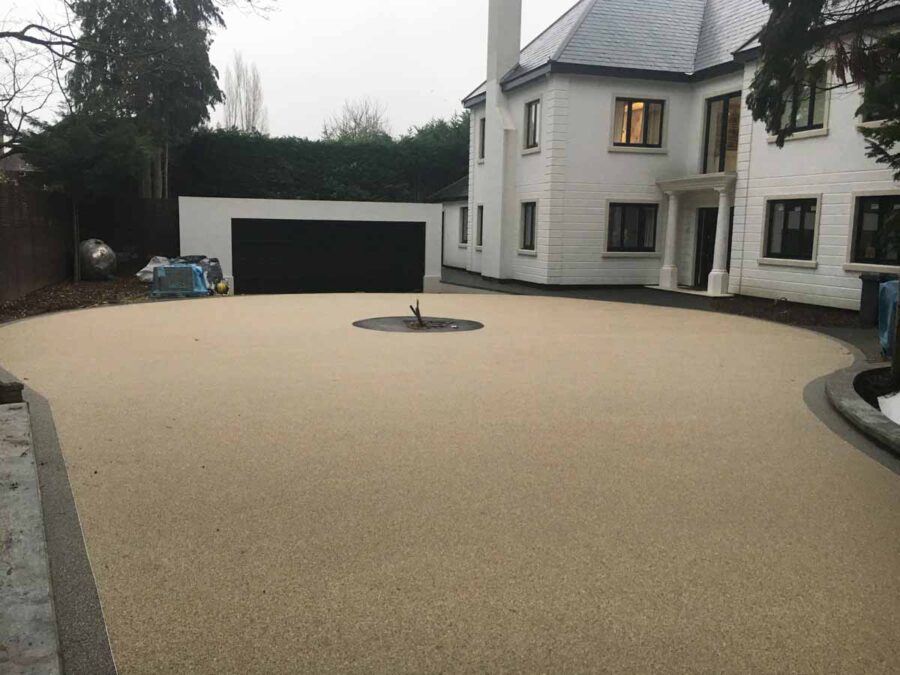
Before we get started with the installation process, it’s important to understand what resin bound surfacing is. It consists of natural aggregate stones mixed with a clear resin binder and trowelled onto a prepared base to provide a smooth, even, and highly durable finish. Unlike resin bonded surfacing, which scatters loose stone over a sticky resin layer, resin bound surfacing combines the stone and resin together before application, resulting in a smoother texture with no free chippings. This distinction is important because it directly affects how the surface works, how it is maintained, and how long it will last. Homeowners frequently mix the two words, so it is important to understand which one you are having installed.
Initial Assessment and Preparation Stage
A complete site assessment is required for every successful resin bound surfacing installation. A qualified installer will visit the property to inspect the existing ground conditions, determine drainage requirements, and identify any underlying concerns that may damage the completed surface. This is a critical step since resin bound surfacing requires a sturdy, well-prepared base to function correctly over time. If the current surface is cracked, uneven, or inadequately drained, these issues must be rectified before any resin work begins.
During this step, you should expect to discuss the type of base your property currently has, whether it is an existing tarmac or concrete surface, a scalped and compacted stone base, or bare earth that needs to be excavated. In many circumstances, particularly with driveways, excavation is required to build a proper sub-base that can hold vehicle weight and provide adequate drainage. This preliminary work typically takes longer than expected, and it is one of the most critical variables in deciding how well the finished resin bound surfacing will perform in the coming years.
How long does installation typically take?
The time schedule for putting resin bound surfacing varies greatly depending on the size of the area, the state of the existing base, and the weather conditions at the time of installation. A simple private driveway with an appropriate existing base might be completed in one to two days. However, if extensive groundworks are required, such as excavation, the laying of a new sub-base, or the building of drainage channels, the total project could take several days, or even longer for bigger properties.
Weather plays an important impact in arranging this type of activity. Resin bound surfacing must be applied in dry conditions, and the resin must cure before bearing weight or being exposed to rain. Reputable installers will regularly watch forecasts and may need to reschedule work if conditions are unfavourable, so allow for some flexibility in your expectations, especially if the work is scheduled for the autumn or winter months, when weather in the UK is unpredictable.
What Happens On Installation Day?
On the day of installation, expect some interruption to your property. Vehicles must be relocated off driveways ahead of time, and access to the construction area is usually restricted for the duration of the project. The process begins with final foundation preparation, followed by the installation of edging restraints, if necessary, to help restrict the resin bound surfacing and provide a crisp, defined edge.
The resin and aggregate are then blended, usually on-site, with specialised equipment to achieve a uniform blend. This combination is spread by hand with trowels, allowing installers to produce a smooth, level surface while navigating obstacles like drain covers, manhole covers, and planting beds. Skilled trowelling is critical to the final product’s quality, as uneven application can result in issues such as pooled water or irregular texture. The resin bound surfacing requires time to cure before it can be walked or driven on, therefore access to the area will be restricted for some time following installation.
Cure Time and Immediate Aftercare
Resin bound surfacing normally requires at least twenty-four hours after installation before it can be walked on and even more before vehicles can use it, sometimes between forty-eight and seventy-two hours depending on temperature and weather. Warmer temperature typically accelerates curing, but cooler or damper circumstances can lengthen it. It is critical to follow the particular instructions provided by the installer, as walking or driving on the surface too soon might result in indentations or damage that may be irreversible.
During this curing period, it is best to keep pets and children away from the area and to avoid placing furniture, planters, or other objects on the new surface. Rainfall quickly after installation is normally not a serious issue once the resin has began to cure, as resin bound surfacing is designed to be permeable and weather-resistant, but your installer will advise on any specific concerns that apply to your project.
Living with Resin Bound Surfacing on a daily basis
Once fully dried, resin bound surfacing provides a low-maintenance, durable surface suitable for a variety of applications, including roads, walks, patios, and pool surrounds. Permeability is one of its most desirable attributes, which means rainwater drains through the surface rather than pooling on top, reducing the chance of puddles and assisting homes in meeting sustainable drainage regulations. This permeable nature also eliminates the need for additional drainage channels in many home applications, but this varies depending on your property’s layout and gradient.
In terms of daily use, resin bound surfacing is comfortable to walk on, weed-resistant when laid appropriately, and does not crack or shift over time, as certain traditional paving materials do. It is also resistant to oil stains and ordinary wear, making it an ideal choice for driveways where cars are frequently parked. The smooth, seamless finish also makes it easier to remove snow and leaves than surfaces with gaps or cracks where debris might accumulate.
Maintenance Expectations Over Time
While resin bound surfacing is frequently commended for its low maintenance, it is not completely maintenance free. Cleaning the surface on a regular basis with a hose or pressure washer keeps it looking good, and removing leaves, moss, or organic debris as soon as possible minimises staining or weed development in the long run. Most homeowners find that a simple sweep and occasional wash is enough to keep their resin bound surfacing looking great for years.
Over time, generally many years depending on usage and exposure to the environment, some colour fading may occur as a result of ultraviolet exposure, particularly in places that receive direct sunshine throughout the day. This is a natural feature of most outdoor covering materials, not a flaw, and it usually has no effect on the surface’s structural performance.
Final Thoughts
Choosing resin bound surfacing for your property is an investment that, when properly installed, may give an appealing and long-lasting solution. Understanding the preparation required, the realistic timelines for installation and curing, and the continuing maintenance expectations will let you to plan the project confidently and avoid unexpected surprises along the way. With proper installation and care, resin bound surfacing may improve the appearance and utility of driveways, walkways, and patios while also holding up to the demands of daily use.