




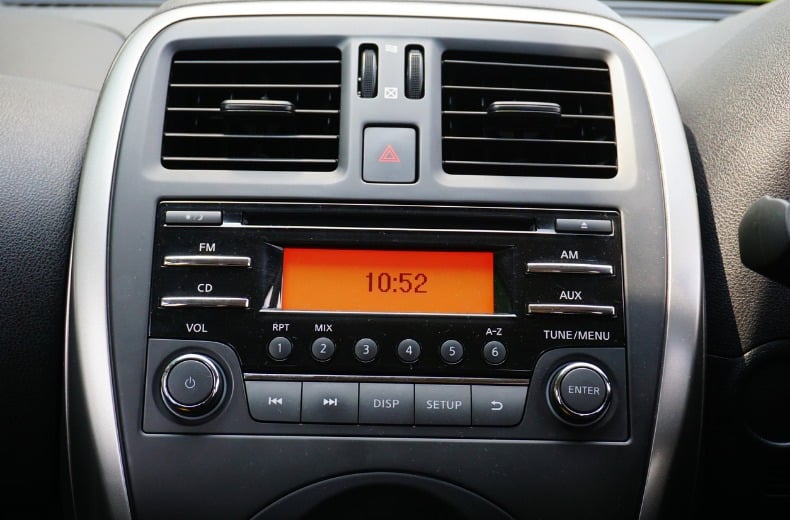
The presence of Nissan radio codes within the brand’s vehicle security systems represents a vital, if occasionally inconvenient, layer of protection against opportunistic theft. These four-digit security numbers are a hallmark of the vehicle’s infotainment system, designed specifically to render the audio unit useless if it is disconnected from its original power source and then reconnected, or if the main vehicle battery power is interrupted. Understanding the foundational role, the common problems, and the official pathways for retrieving these Nissan radio codes is essential knowledge for any owner or technician dealing with vehicle maintenance and electrical work. The entire system is rooted in the practical deterrence of crime, ensuring that the valuable entertainment unit is tied inextricably to the specific vehicle it was installed in.
The Fundamental Role of Nissan Radio Codes in Theft Deterrence
The primary and most crucial function of Nissan radio codes is theft deterrence. In decades past, vehicle audio systems—radios, cassette players, and later CD players—were frequent targets for thieves due to their high resale value and ease of removal. To combat this, car manufacturers developed security measures that essentially “marry” the audio unit to the vehicle’s electrical system.
A Nissan radio code is the unique numerical password required to reactivate the radio’s functions. The system is designed to detect any interruption to its power supply. This happens most commonly when the car battery is disconnected for service, replacement, or maintenance, or if the battery fully drains. It also triggers, crucially, if the radio unit itself is physically removed from the dashboard, as a thief would do. Once power is restored, the unit will display a message such as “CODE,” “ENTER PIN,” or “SAFE,” indicating that it is locked and requires the correct four-digit Nissan radio code before any audio function can be accessed. This makes the stolen unit worthless on the secondary market without the accompanying code, thus significantly reducing its appeal to criminals. This security feature is a testament to the manufacturer’s commitment to protecting the customer’s property and minimising the cost and hassle associated with replacing stolen equipment.
Common Scenarios Requiring Nissan Radio Codes
While the security function is important, most owners only encounter the need for their Nissan radio codes during routine vehicle maintenance, which is why the code’s location and retrieval process become such a common issue.
The most frequent scenario requiring the input of the Nissan radio codes is a battery change or disconnection. When the vehicle’s main power is severed, the radio’s memory and anti-theft circuitry lose their persistent power source, triggering the security lock. This issue is particularly prevalent in older or second-hand Nissan models where the original code card may have been lost. Owners find that a simple, necessary task like replacing a flat battery suddenly renders the entire audio and potentially the infotainment system unusable until the correct code is successfully entered.
Another scenario is vehicle servicing or repair. Technicians often need to disconnect the battery to safely perform electrical work, engine repairs, or even bodywork. While professional service centres are usually equipped to either maintain power using a memory saver or to easily access the Nissan radio codes through official channels, the responsibility often falls back to the owner to ensure the code is available afterwards. Furthermore, any instance where the audio unit itself is removed—perhaps for diagnostic work, replacement, or upgrade—will necessitate the code when the unit is reconnected to the power supply. Understanding these trigger points helps owners be proactive about locating their Nissan radio codes before a service appointment.
The Crucial Process of Locating and Retrieving Nissan Radio Codes
The successful retrieval of Nissan radio codes relies on knowing where the manufacturer typically stores this critical security information. When a vehicle is purchased new, the four-digit code is usually provided on a small card or sticker, often credit card-sized, found within the owner’s manual portfolio or securely placed within the glove box. This is the first and easiest place an owner should check when faced with a locked radio.
However, in the vast majority of cases involving second-hand vehicles, these documents are lost or misplaced. The next step is to use the unique identifying numbers associated with the radio itself. To retrieve the code from a dealer or third-party service, the user typically needs the Vehicle Identification Number (VIN) and, more reliably, the serial number of the audio unit.
Retrieving the unit’s serial number often involves a small technical challenge, as it is usually printed on a label or engraved directly onto the casing of the radio unit. This necessitates carefully removing the radio from the dashboard, a procedure that should be done with care to avoid scratching the dashboard trim or damaging wiring harnesses. In some modern Nissan infotainment systems, the serial number can be retrieved without physical removal by entering an incorrect code several times (usually three times). This intentionally locks the unit for a set period (often an hour) but prompts the screen to display the necessary serial number, device number, and part number—the essential data points required to generate the correct Nissan radio code. This information is unique to the specific radio unit, ensuring the code issued is correct even if the unit was replaced after the car was originally manufactured.
Challenges and Solutions in the Retrieval Process
While the system is designed for security, the retrieval process for lost Nissan radio codes can sometimes be complicated, leading to consumer frustration. One common issue arises when a car radio was changed under warranty or replaced with an improved or used model. In these cases, the VIN-based code held by the main dealer may be incorrect because the code is tied to the original unit fitted in the factory, not the replacement unit currently in the car. This is why obtaining the code based on the unit’s serial number is often the most accurate and reliable method for unlocking the radio.
Owners facing a locked system have a few reliable avenues for resolution. Firstly, they can contact a local authorised dealer. Dealers maintain a database linked to the vehicle’s VIN and can often provide the Nissan radio code for a fee, though some will offer this service for free to long-term customers. They may, however, require the vehicle’s registration document (V5C logbook) and proof of identity to verify ownership, adhering to strict security protocols.
Secondly, a robust market of online radio decoding services exists. These commercial services specialise in calculating the correct Nissan radio code instantly using sophisticated algorithms based on the radio unit’s serial number, part number, and sometimes the production date. This method is often faster and less expensive than a dealership visit, especially when the serial number has been successfully retrieved by the owner. It is vital to use reputable, established decoding services to ensure the correct code is supplied and that personal data is protected. Incorrectly inputting the code multiple times can lead to the unit being permanently locked or requiring a visit to a specialist mechanic with advanced diagnostic tools to reset the Body Control Module (BCM) signal, adding significant cost and time to the process. The careful documentation and secure storage of the correct Nissan radio code upon successful retrieval is the ultimate preventative measure against future hassle.
Final Thoughts on Security and the Future of Nissan Radio Codes
The continued use of Nissan radio codes underscores the enduring need for simple, effective hardware-based security in vehicles, particularly in older models. While modern, high-end Nissan vehicles now often integrate infotainment security with the vehicle’s central digital network (making the traditional four-digit code less common in the newest models), the issue of radio codes remains highly relevant for the millions of mid-range and older vehicles on the road today.
The Nissan radio code is a fundamental feature of the vehicle’s integrated security system. It represents the manufacturer’s early effort to add a layer of personal responsibility to vehicle security. Its inconvenience is a direct trade-off for its effectiveness as a deterrent. By understanding its purpose—to secure the unit against theft following a power interruption—and knowing the exact steps to locate the serial number, owners can navigate the inevitable event of a battery change with minimal disruption, ensuring the vehicle’s audio system remains a functional and enjoyable part of the driving experience.
Get in Touch:
Decode My Radio
Suite 2, Fortuna House, 88 Queen St, Sheffield City Centre, Sheffield S1 2FW
0114 489 7898
decodemyradio.co.uk