




The humble chess set has experienced an extraordinary resurgence in popularity over recent years, transforming from a perceived relic of quiet study rooms into a cultural phenomenon that spans generations, social classes, and continents. This ancient game, which has remained fundamentally unchanged for centuries, continues to captivate millions of people who invest not only their time in learning its intricacies but also their resources in acquiring beautiful and functional chess sets. The reasons behind this enduring popularity are as complex and multifaceted as the game itself, encompassing elements of intellectual challenge, aesthetic appreciation, social connection, and cultural significance.
At its core, the chess set represents one of humanity’s most elegant inventions in strategic gaming. Unlike many modern games that rely on chance or physical prowess, chess demands pure mental acuity, forward planning, and psychological insight. Every chess set, regardless of its materials or design, offers the same fundamental challenge: thirty-two pieces, sixty-four squares, and infinite possibilities. This intellectual purity has attracted some of history’s greatest minds, from Benjamin Franklin to Albert Einstein, and continues to draw people seeking mental stimulation in an age of passive entertainment. The ownership of a chess set symbolises a commitment to this intellectual pursuit, a tangible representation of the mind’s capacity for strategic thought.
The recent surge in chess set sales and interest can be traced to several converging factors. The digital age, paradoxically, has breathed new life into this analogue pastime. Online platforms have made it possible for players of any skill level to find opponents instantly, learn from grandmaster games, and improve their understanding of strategy. However, this digital engagement has not diminished the desire for physical chess sets; rather, it has enhanced it. Players who develop their skills online often seek the tactile satisfaction of moving real pieces across a wooden board, appreciating the weight of a knight in hand or the satisfying click of a bishop sliding across squares. The physical chess set becomes a bridge between the convenience of digital play and the sensory richness of the traditional game.
Popular culture has played an undeniable role in the contemporary popularity of chess sets. Television dramas and films featuring chess as a central element have introduced the game to audiences who might never have considered playing. These cultural moments create surges in demand for chess sets as viewers become inspired to learn the game themselves. The portrayal of chess as glamorous, intense, and intellectually rewarding has helped shed its dusty image, particularly among younger demographics. Social media has amplified this effect, with players sharing images of their chess sets, discussing games, and creating a vibrant online community that celebrates both the game and its physical accoutrements.
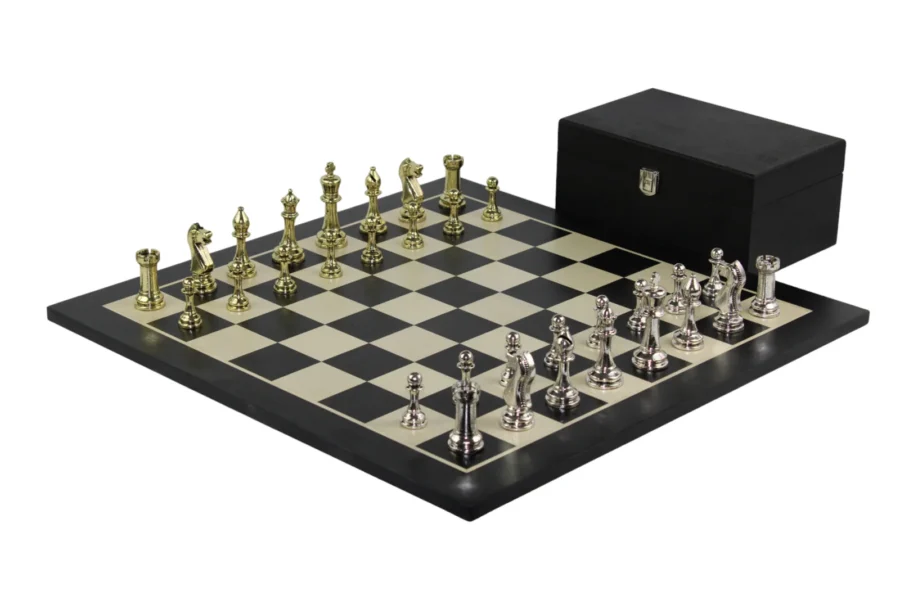
The aesthetic appeal of a well-crafted chess set cannot be overstated in explaining its popularity. A chess set is not merely a gaming tool but often a work of art, a decorative object that enhances living spaces whilst serving a practical purpose. From minimalist modern designs to ornate traditional styles, chess sets come in an astonishing variety of forms that appeal to different tastes and interior design preferences. Many people purchase a chess set as much for display as for play, appreciating the sculptural quality of the pieces and the visual harmony of the board. This dual nature as both functional game and decorative object makes the chess set an attractive purchase for those seeking items that combine beauty with purpose.
Collectors have long recognised the value and appeal of distinctive chess sets, driving a thriving market for both antique and contemporary designs. Some enthusiasts accumulate dozens or even hundreds of chess sets, each with unique characteristics that reflect different eras, cultures, or artistic movements. Antique chess sets can command substantial prices at auction, particularly those with historical provenance or exceptional craftsmanship. However, collecting chess sets is not solely the preserve of the wealthy; affordable sets with interesting designs are widely available, allowing collectors of modest means to pursue their passion. This accessibility contributes to the popularity of chess sets across economic demographics.
The materials used in chess set construction range from the humble to the extraordinary, each offering different appeals to potential buyers. Wooden chess sets remain perennially popular, with varieties ranging from simple, inexpensive beech to luxurious ebony and rosewood creations. The warmth and natural beauty of wood create an inviting tactile experience that plastic cannot replicate. Stone chess sets, carved from marble, alabaster, or other minerals, offer substantial weight and visual drama. Metal chess sets, whether in brass, pewter, or more precious metals, provide durability and distinctive aesthetic qualities. Even glass and ceramic chess sets have their adherents, appreciated for their delicacy and light-refracting properties. This material diversity ensures that every buyer can find a chess set that resonates with their personal preferences and budget.
Educational institutions have long recognised the value of chess in developing critical thinking skills, pattern recognition, and strategic planning abilities. Schools, libraries, and youth clubs increasingly incorporate chess programmes into their offerings, necessitating the purchase of multiple chess sets for instructional purposes. Research suggesting that chess improves academic performance and cognitive development has encouraged parents to introduce their children to the game, often beginning with a simple chess set at home. This educational dimension adds a practical justification to chess set purchases, positioning them not as frivolous entertainment but as investments in intellectual development.
The social aspect of chess contributes significantly to the popularity of chess sets as physical objects. While online chess offers convenience and a vast pool of opponents, gathering around a physical chess set creates opportunities for face-to-face interaction, conversation, and shared experience. Chess clubs, park chess tables, and casual home games all depend on actual chess sets, fostering communities of players who value the ritual and sociability of in-person play. In an era where screen-mediated interaction dominates, the chess set facilitates genuine human connection through shared focus on the board. Families often keep a chess set as a means of intergenerational bonding, with grandparents teaching grandchildren the moves their own parents taught them decades earlier.
Travel chess sets represent a specialised category that addresses the desire to play chess anywhere. These compact, portable chess sets often feature magnetic pieces or folding boards with storage compartments, making them ideal for journeys, holidays, or outdoor excursions. The existence of travel chess sets demonstrates the commitment enthusiasts have to their hobby, unwilling to be separated from the game even when away from home. Despite their smaller size and simplified construction, travel chess sets maintain the essential appeal of their full-sized counterparts, offering the same strategic challenges in a convenient package.
Themed chess sets have emerged as a popular variation, appealing to collectors and enthusiasts with specific interests. These chess sets reimagine the traditional pieces as characters from history, literature, film, or various cultural traditions. Medieval battle chess sets, for instance, might feature elaborately detailed knights and castles, whilst others might depict famous historical conflicts or fantasy scenarios. Whilst purists may prefer classical Staunton-style pieces, themed chess sets introduce whimsy and personality, making the game more approachable for newcomers and offering collectors distinctive pieces that reflect their interests beyond chess itself.
The ritual of setting up a chess set before play adds to its appeal. Arranging the pieces in their starting positions, ensuring proper board orientation, and sitting across from an opponent creates a sense of occasion and seriousness of purpose. This preparatory moment builds anticipation and signals a transition from everyday activities to focused mental engagement. The physical chess set transforms any table into an arena for intellectual combat, a temporary sacred space where the rules of the game supersede all other considerations.
Gift-giving has sustained steady demand for chess sets across generations. A quality chess set makes an impressive present for birthdays, graduations, retirements, or holidays, conveying respect for the recipient’s intelligence and offering lasting value. Unlike many gifts that provide momentary pleasure before being forgotten, a chess set can provide decades of enjoyment and use. Parents give chess sets to children as educational tools; friends give them to each other as invitations to regular competition; businesses give them as corporate gifts that convey sophistication and timelessness.
In conclusion, the enduring popularity of chess sets stems from their unique position at the intersection of intellectual challenge, artistic beauty, social connection, and cultural significance. Whether serving as a tool for mental development, a decorative object, a collector’s item, or a means of human connection, the chess set transcends its simple function as a gaming apparatus. In an increasingly digital world, the tactile reality of a physical chess set offers something screens cannot replicate: the weight of wooden pieces, the grain of a polished board, and the unmistakable sound of a captured piece being removed from play. As long as humans value strategic thinking, craftsmanship, and meaningful interaction, chess sets will continue to occupy a cherished place in homes, clubs, and hearts worldwide. Their popularity is not a passing trend but rather the latest chapter in a story spanning centuries, with no sign of concluding anytime soon.